The 2026 Housing Stock Inquisition: A New Era for Southern California Landlords
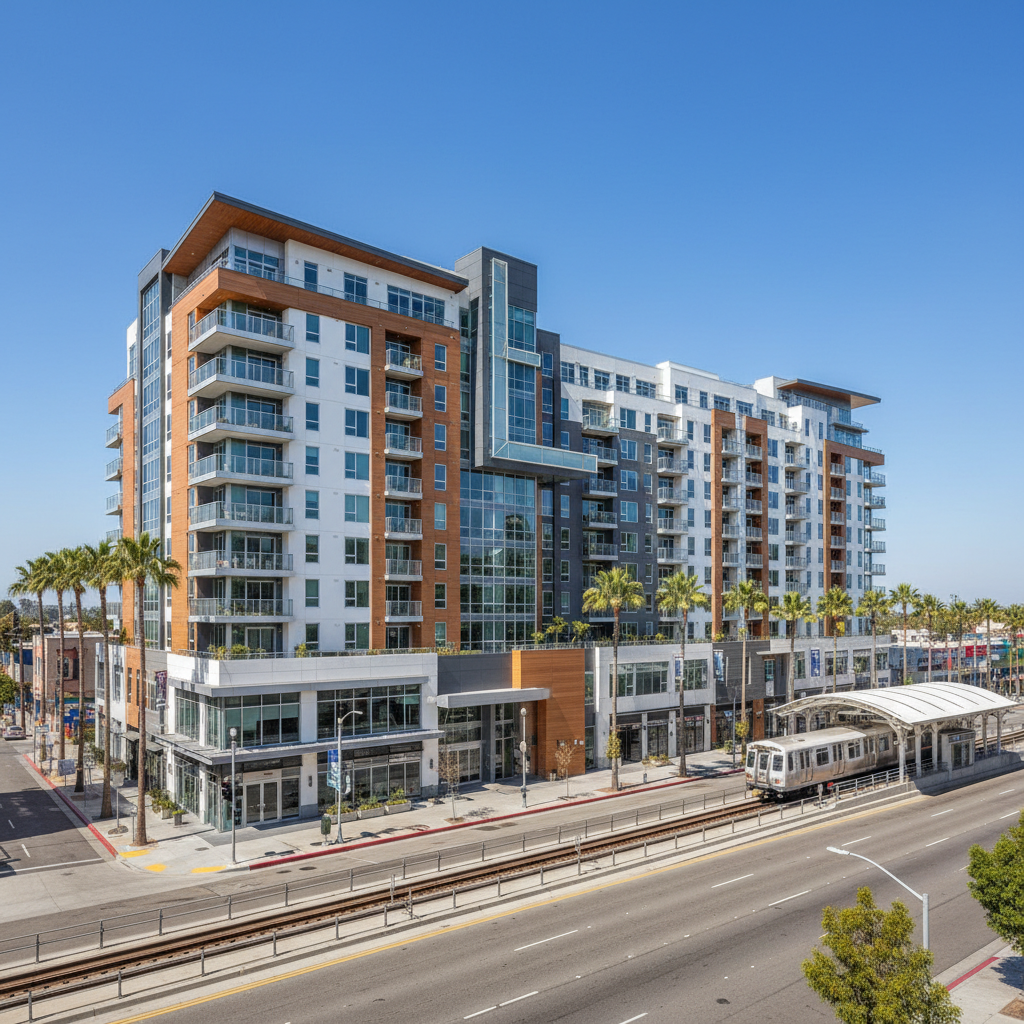
In the spring of 2026, the Southern California real estate landscape is facing an unprecedented level of scrutiny. For years, the conversation around housing affordability has been dominated by supply shortages and interest rate fluctuations. However, the narrative has shifted toward ownership structure. The Los Angeles City Council has recently launched a sweeping new initiative—colloquially termed the "Housing Stock Inquisition"—to assess the impact of corporate and large-scale property ownership on local rent prices and community stability.
At McIntire Kingstone, we recognize that this isn't just a political talking point for voters in Los Angeles or Long Beach; it is a fundamental shift in how property management and investment must be conducted across the state. As the city attempts to decode if and how "monopoly" ownership affects the average tenant via predatory pricing, private real estate investors and smaller-scale landlords are finding themselves caught in the crossfire. Understanding these developments is critical for anyone holding assets in the Inland Empire, Orange County, or Greater Los Angeles.
1. Analyzing the L.A. City Council’s Anti-Monopoly Initiative
The core of the current tension lies in the Los Angeles City Council's directive to investigate the "monopolization" of housing stock. This move is designed to identify whether institutional investors—those owning hundreds or thousands of units—are artificially inflating rents or withholding supply to maintain high price floors. For the private owner in regions like the San Fernando Valley or San Pedro, this investigation carries both risks and hidden opportunities.
The Scope of the Investigation
Local government agencies are now tasked with compiling data on every corporate-owned parcel within city limits. The goal is to determine if a specific threshold of ownership in a single zip code constitutes a monopoly. While the investigation focuses on "Big Tech" landlords and private equity firms, the legislative spillover often impacts smaller LLPs and family trusts. If the council finds that corporate concentration leads to 10-15% higher rents in specific neighborhoods, we can expect a flurry of new local ordinances aimed at capping rent increases even more strictly than the current California Tenant Protection Act (AB 1482).
Impact on Rent Control and Compliance
Even if you only own a four-plex in Riverside or a handful of condos in Irvine, the political appetite for regulation is growing. The L.A. initiative is being watched closely by other municipalities. When the public perceives "faceless" corporations as the enemy, local councils are often pressured to pass broad-stroke regulations—such as stricter habitability requirements or extended eviction moratoriums—that do not distinguish between a multinational corporation and a local mom-and-pop investor.
2. The 'Crash Rooting' Paradox: Why 31% Support a Market Correction
One of the most startling developments in 2026 is the rise of the "Crash Rooters." A recent LendingTree survey revealed that approximately 31% of Americans are actively wishing for a housing market crash. What makes this trend uniquely Southern Californian is the motivation behind it, which differs significantly between renters and current homeowners.
The Property Tax Motivation
In California, where Proposition 13 limits property tax increases based on the purchase price, you would think homeowners would fear a crash. However, the survey found that 39% of owners hoping for a crash actually want lower property taxes. For newer buyers in high-tax areas like Orange County or San Diego who bought at the peak, their tax base is substantially higher than their neighbors who bought a decade ago. These owners are rooting for a correction to trigger a tax reassessment, effectively lowering their monthly carrying costs.
The Renter’s Strategy: Affordability Through Chaos
For renters in Los Angeles and the Inland Empire, the motivation is simpler: survival. With monthly house payments having doubled over the last six years, many feel that the only path to homeownership is a total system reset. This sentiment creates an adversarial relationship between owners and tenants. At McIntire Kingstone, we advise our clients to recognize this paradox. When nearly a third of your target market (and even some fellow owners) wants your asset value to decline, the importance of high-touch, empathetic property management becomes a strategic necessity rather than an afterthought.
3. Strategic Positioning: Moving from 'Faceless' to 'Human'
As the anti-monopoly sentiment grows, private owners must differentiate themselves from the institutional "monoliths" that are the targets of public ire. Branding your rental business as a local, community-focused entity is no longer just a marketing tactic; it is a defensive strategy against regulatory overreach.
Leveraging Personal Connections
- Hyper-Local Maintenance: Use local vendors from the Inland Empire or Riverside rather than national maintenance contracts. Highlighting that your rental income stays within the Southern California economy builds goodwill.
- Direct Communication: Unlike corporate portals where tenants are just a unit number, private owners can offer personalized service. This doesn't mean you have to take midnight calls—that’s what McIntire Kingstone does for you—but it means the communication style remains professional and human.
- Transparency in Pricing: When raising rents, provide data. Show the tenant the increase in local utility costs, property insurance (which has skyrocketed in California), and maintenance labor. When people understand the "why" behind the price, they are less likely to view the owner as a predatory monopolist.
Building the 'Good Landlord' Resume
In the event of further local housing stock regulations, having a documented history of fair practices, prompt repairs, and community reinvestment can be a shield. Should the City of Los Angeles or San Bernardino County implement "Gold Star" landlord programs or tiered regulatory structures, those who have positioned themselves as responsible stewards of the community will likely face fewer hurdles than distant corporate entities.
4. The 'Transparency Window': Utilizing Rising Southern California Inventory
For the first time in years, we are seeing a slight comeback in Southern California housing inventory. While we are far from a "buyer's market," the increase in available listings provides what we call a "transparency window." This is a crucial moment for owners to justify their value without triggering accusations of price gouging.
Justifying Value Amidst Competiton
When inventory was zero, any rent price felt predatory to the public. Now that there is more choice for tenants in markets like San Diego or Orange County, owners must compete on value. This allows you to point to specific upgrades—such as ADU additions, solar installations, or modernized HVAC systems—as the driver for your rental rates. Use this window to perform necessary capital improvements that justify your positioning at the top of the market while the supply increases allow for more "natural" price discovery.
Market Normalization vs. Predatory Pricing
The return of inventory helps debunk the myth that a few large owners are single-handedly controlling the market. By keeping your properties well-maintained and priced within the current competitive bracket of the Inland Empire or Los Angeles, you demonstrate that your rates are a reflection of the market, not a result of a monopoly. This data-backed approach is the best defense against the "Inquisition" currently brewing in City Hall.
5. Predictive Mapping: The Shift from L.A. to Orange and San Diego Counties
History shows that when Los Angeles implements heavy-handed regulations, investment capital doesn't disappear—it migrates. We are already beginning to see the "Monopoly Regulation Ripple Effect."
Venturing Beyond City Limits
If the L.A. City Council moves forward with aggressive anti-monopoly penalties or additional taxes on multi-unit owners, we predict a significant shift in investment flow toward Orange County, San Diego, and the Inland Empire. Cities like Irvine, Temecula, and Oceanside, which traditionally have more business-friendly climates, will likely see an influx of private capital looking for a safer regulatory haven.
The Risk of Contagion
However, investors must be cautious. Regulatory trends started in Los Angeles often spread to surrounding counties. The key to long-term success is not just moving your assets, but ensuring that your management practices are beyond reproach regardless of the zip code. Diversifying your portfolio across different Southern California jurisdictions can mitigate the risk of specific municipal "inquisitions."
- San Diego: Monitoring for similar "corporate ownership" reports in 2027.
- Inland Empire: Watching for warehouse-adjacent housing regulations that could affect residential yields.
- Orange County: Staying alert to short-term rental bans that could pivot back into long-term rental stock investigations.
Actionable Advice for Southern California Property Owners
To navigate the 2026 Housing Stock Inquisition, property owners should take the following steps immediately:
- Audit Your Ownership Structure: ensure your LLC or trust is correctly filed and that you are meeting all local business licensing requirements to avoid being flagged in "monopoly" data sweeps.
- Engage with Local Associations: Join organizations like the Apartment Association of Greater Los Angeles (AAGLA) to stay informed on the specific metrics the Council is using for their investigation.
- Prioritize Tenant Retention: In an era of "Crash Rooting," a long-term, satisfied tenant is your greatest asset. High turnover attracts unwanted attention from local housing authorities.
- Document Property Value: Keep detailed records of all improvements made to the property to defend against accusations that rent increases are detached from the quality of the housing provided.
At McIntire Kingstone, we specialize in helping owners navigate the complexities of the Southern California market. Whether you are managing a single-family home in Riverside or a multi-family complex in Los Angeles, our team is equipped to handle the shifting regulatory landscape while maximizing your investment's value. The 2026 Housing Stock Inquisition may be daunting, but with the right strategy and a commitment to professional excellence, private owners can continue to thrive in one of the world’s most resilient real estate markets.
 .5B Bets on the SoCal Rent Silence" class="w-full h-40 object-cover transition-transform duration-300 group-hover:scale-105" loading="lazy"/>