The Shift in Southern California: Why Proximity Still Rules in 2026
As we navigate through the second quarter of 2026, the Southern California rental landscape is witnessing a fascinating evolution. While headlines often focus on the
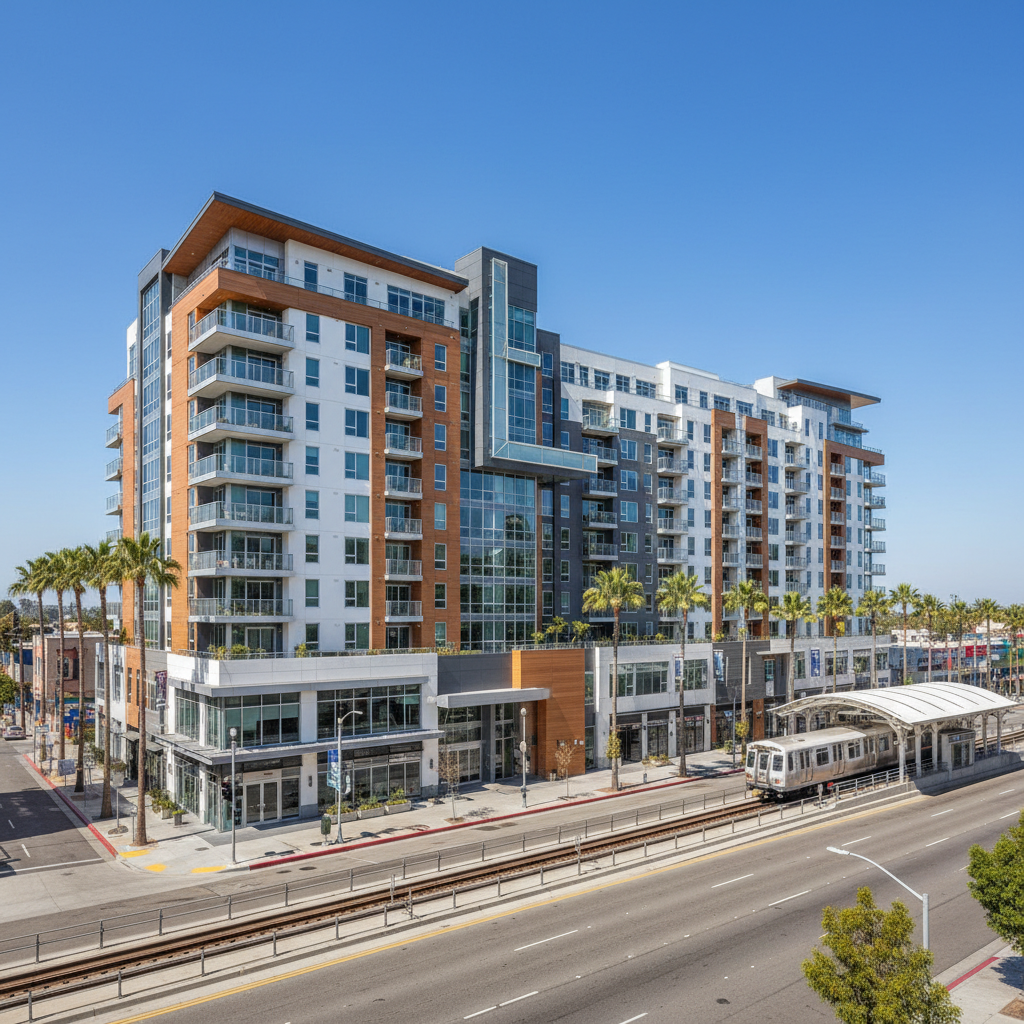
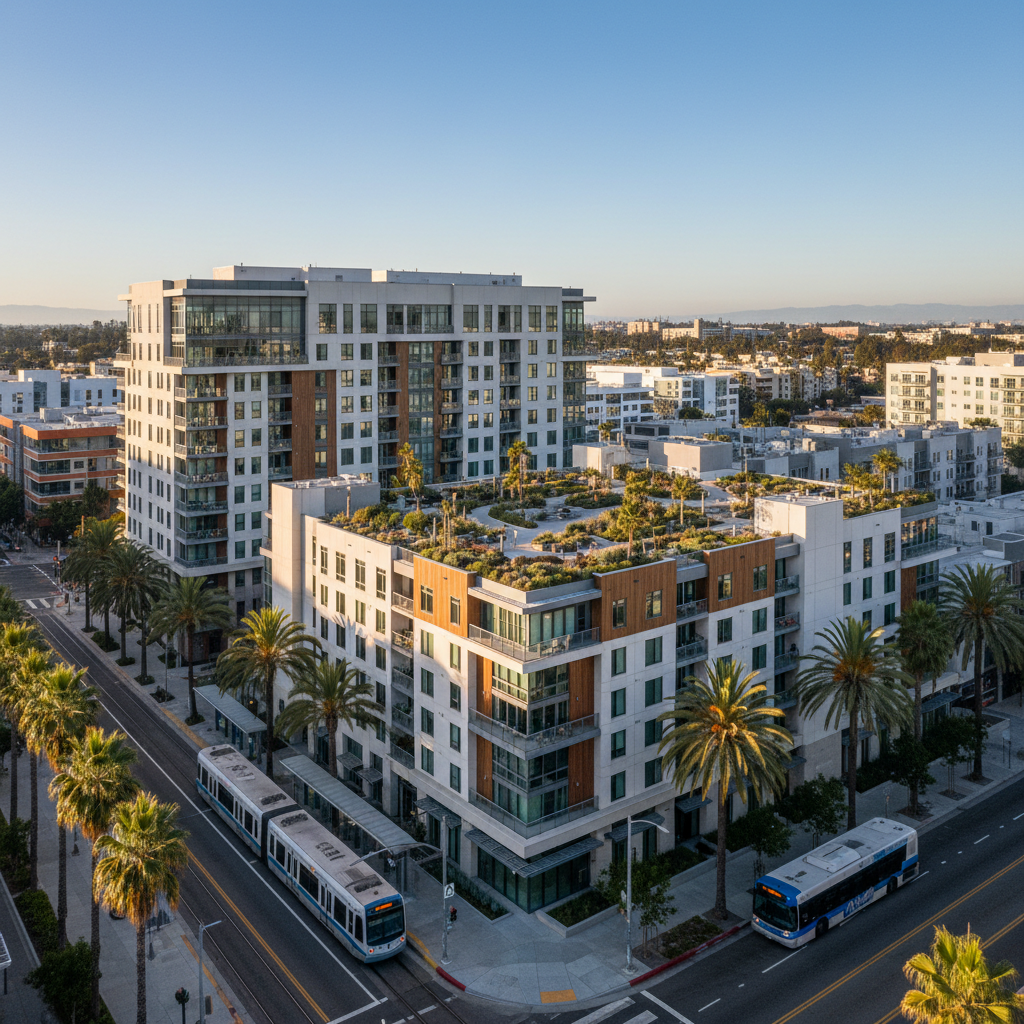
We call this the Proximity Paradox. Despite the rise of remote work over the last few years, the demand for units near transit hubs remains at an all-time high. However, the definition of "convenience" has changed. It is no longer enough to be a mile from a Metro station. The 2026 tenant demands a "door-to-platform" experience that minimizes friction, prioritizes micro-mobility, and integrates technology at every touchpoint. With the implementation of Senate Bill 79 (SB 79), which allows for denser mid-rise developments near transit corridors, existing property owners must adapt or risk losing their competitive edge to the incoming wave of 'glass-and-steel' inventory.
1. Understanding the 'Transit-Mode' Mindset
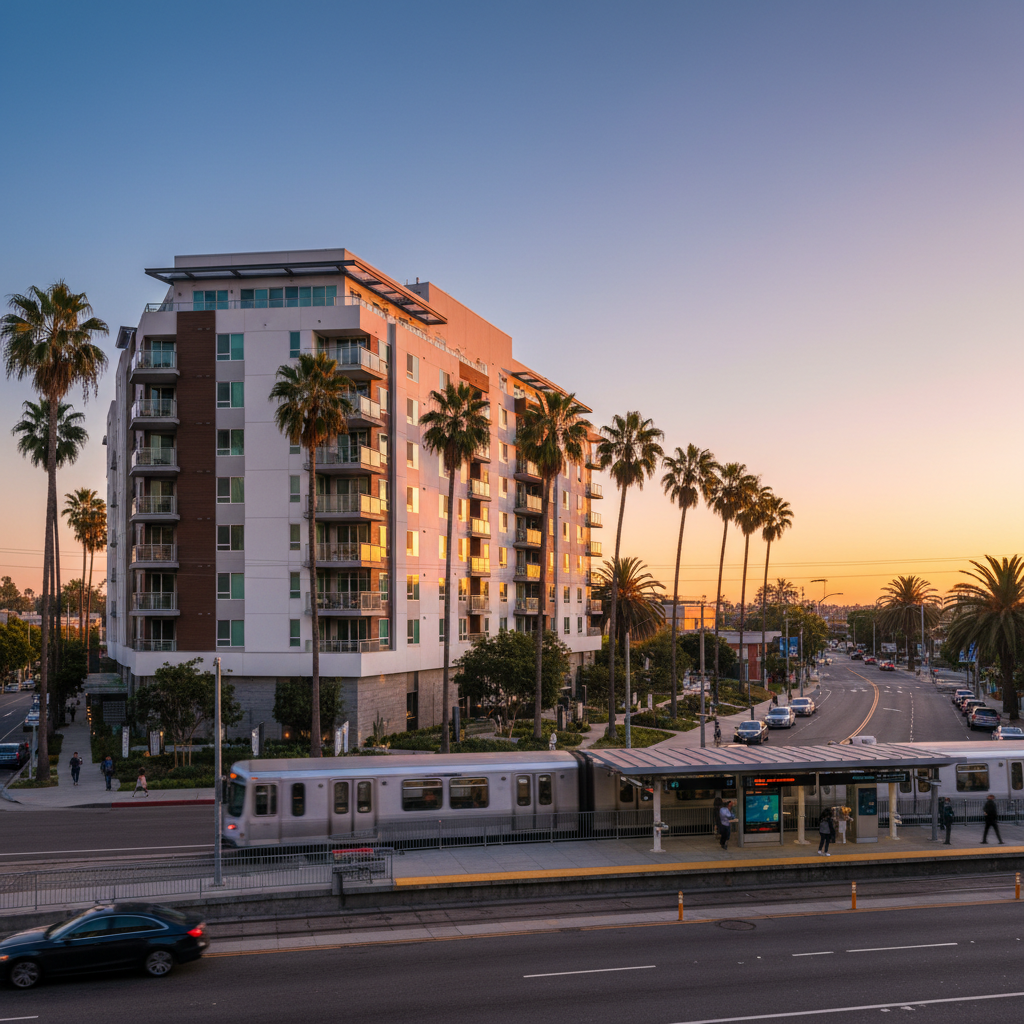
The 2026 tenant is less likely to own a car than any generation before them in Southern California history. The 'Transit-Mode' mindset is a psychological shift where the commute is no longer viewed as lost time, but as an extension of the living space. This transition is being fueled by the massive expansions in the LA Metro Rail system and the Metrolink lines connecting the Inland Empire to coastal job hubs.
The Logistics of 'Door-to-Platform'
For these renters, the logistics of getting out of the house are paramount. They prioritize properties that offer dedicated pathways to transit, real-time transit data in common areas, and high-speed Wi-Fi that doesn't drop the moment they step into the hallway. They aren't just looking at the unit—they are looking at the 15 minutes between their front door and the train platform. If your property creates friction in that 15-minute window (e.g., cumbersome gates, slow elevators, or lack of secure bike storage), you are already at a disadvantage.
Prioritizing Efficiency Over Square Footage
We are seeing a trend where tenants are willing to sacrifice 100-200 square feet of interior living space if the property provides superior transit connectivity. In regions like San Diego’s Mid-Coast corridor or the transit-oriented districts of Long Beach, the 'Transit-Mode' tenant views the city as their living room. As a landlord, your marketing should shift from "spacious bedrooms" to "effortless connectivity."
2. The Amenities Arms Race: Upgrading the Existing Footprint
With SB 79 triggering a surge in new developments—some reaching as high as nine stories in transit-heavy neighborhoods—older, stabilized assets in Southern California are facing stiff competition. However, you don't need a
The Micro-Office Revolution
While regional offices are still active, the 'Transit-Adjacent' tenant often works a hybrid schedule. Instead of oversized clubhouses that go unused, consider carving out 'micro-offices' from underutilized spaces like old storage rooms or oversized lobbies. These should be soundproofed pods with ergonomic seating and high-speed fiber-optic internet. In the Inland Empire and Riverside, where the commute to LA can be long, having a professional space to work from home on non-commute days is a top-tier retention tool.
Advanced Locker Systems and Secure Storage
The 2026 tenant lives an 'on-demand' lifestyle. A simple mailroom is no longer sufficient. To attract the transit-dependent professional, implement refrigerated locker systems for grocery deliveries and oversized parcel lockers for the influx of e-commerce. Furthermore, traditional bike racks are being replaced by 'bike spas'—secure, indoor rooms with repair stations and electric charging ports for e-bikes and scooters. This is essential for bridging the 'first-mile/last-mile' gap between your property and the nearest Metro or bus stop.
3. Communication as a Retainer: Managing 'Density Anxiety'
As cities across Southern California struggle to comply with SB 79, many established neighborhoods are facing significant rezoning and construction. For current tenants, this can lead to 'density anxiety'—the fear of increased noise, traffic, and loss of neighborhood feel. At McIntire Kingstone, we’ve found that transparent communication is the best way to reduce turnover during these transitional periods.
Keeping Tenants Informed about Local Rezoning
Don't wait for your tenants to hear about a nine-story development next door from the news. Be the source of truth. Send out monthly or quarterly 'Neighborhood Updates' that detail local construction timelines, new transit routes, and incoming retail developments. When tenants feel like they are part of a community's growth rather than victims of it, they are much more likely to renew their lease.
Positioning Development as an Asset
Frame local construction as an enhancement to their lifestyle. Is a new Metro station opening three blocks away? Highlight how that increases their property’s value and their own mobility. Is a new mixed-use building bringing a high-end grocery store to the corner? Emphasize the walkability gain. By shifting the narrative from 'construction nuisance' to 'amenity expansion,' you build trust and long-term loyalty.
4. Leveraging 'Neighborhood Character' vs. 'Glass-and-Steel'
While new developments offer shiny amenities, they often lack the 'soul' and established community feel of older Southern California properties. Whether you own a 1920s Spanish Colonial in Pasadena or a 1970s garden-style complex in Orange County, your asset has a distinct advantage: character.
The Soulful Alternative
Market your property as the 'authentic' choice. High-density SB 79 mid-rises can often feel clinical. Use your property’s history, landscaping, and unique architectural details to create a sense of place. Well-maintained older units with updated interiors often provide a warmth that brand-new construction cannot replicate. Focus on 'biophilic' design—enhancing greenery and outdoor communal spaces—which is highly valued by urban transit riders who may spend much of their day in concrete environments.
Proactive Maintenance as a Competitive Strategy
The quickest way to lose a tenant to a new build is through deferred maintenance. In 2026, 'well-maintained' isn't just a baseline; it’s a marketing strategy. Ensure that your common areas are pristine, lighting is modern and bright (LED upgrades are a must), and your property's exterior aesthetic is updated to feel fresh. A fresh coat of contemporary paint and updated signage can make a 40-year-old building feel relevant in a changing skyline.
5. The Micro-Transit Edge: Bridging the Final Gap
Even if your property is technically 'transit-adjacent,' the 0.5-mile walk to the station can feel like an eternity in July’s Inland Empire heat or during a rainy Los Angeles winter. To truly capture the 'Transit-Adjacent' wishlist, property owners should consider micro-transit partnerships.
Shuttle Partnerships and Scooter Incentives
Consider partnering with local shuttle services or offering subsidized memberships to scooter-share and bike-share programs. Some forward-thinking landlords in Los Angeles and San Diego are even dedicating specific 'drop-off zones' for ride-share and micro-mobility vehicles to prevent sidewalk clutter and ease the transition for commuters. This small investment (often cheaper than a full lobby renovation) shows tenants that you understand their daily transit struggles and are actively working to solve them.
The 'First-Mile' Solution
In the Inland Empire, where transit hubs like the San Bernardino Depot are growing, providing a designated, well-lit path or a partnership with a local electric shuttle service can make your property the preferred choice over a unit that is geographically closer to the station but harder to access. It’s about the perceived distance, not just the physical mileage.
Actionable Advice for SoCal Property Owners
- Audit Your Connectivity: Walk the route from your units to the nearest transit stop. Identify every point of friction—broken sidewalks, poor lighting, or confusing gates—and address them.
- Upgrade Charging Infrastructure: If you don't have EV charging for cars yet, start with E-bike charging stations. They are cheaper to install and highly sought after by transit-oriented tenants.
- Enhance Digital Amenity Access: Implement an integrated property management app that allows tenants to see real-time Metro schedules, book micro-office pods, and receive package notifications instantly.
- Focus on Soundproofing: Transit-adjacent means noise. Invest in high-quality, dual-pane windows and weather stripping to ensure that once the tenant is inside, the city noise disappears.
Conclusion: Navigating the 2027 Horizon
The Southern California rental market is in a period of recalibration. While institutional investors are moving
At McIntire Kingstone, we are dedicated to helping owners across Los Angeles, Orange County, and the Inland Empire stay ahead of legislative changes like SB 79 and evolving tenant demands. The future of SoCal real estate is connected, dense, and transit-oriented. Is your property ready?
MK Property Management
The McIntire Kingstone team brings decades of combined experience in property management, real estate investment, and tenant relations.
 .5B Bets on the SoCal Rent Silence" class="w-full h-40 object-cover transition-transform duration-300 group-hover:scale-105" loading="lazy"/>