The Evolution of the Corporate Hybrid: Navigating the 2026 Rental Landscape
As we navigate through March 2026, the Southern California rental market is witnessing a profound transformation. Property owners from the Arts District in North Hollywood to the coastal enclaves of Orange County are increasingly pivoting toward 'The Corporate Hybrid'—a sophisticated model of furnished, mid-term housing designed for the modern professional. However, this lucrative shift brings a new set of risks known as 'Commercial-Lease Creep.'
Lease creep occurs when the legal boundaries between a transient business guest and a long-term residential tenant become blurred, often triggered by stays that inadvertently cross the 30-day threshold. In California, where tenant protections are among the most robust in the nation, failing to distinguish these roles can lead to accidental tenancies, making evictions nearly impossible without costly legal battles. At McIntire Kingstone, we advocate for a proactive 'Short-Stay Sentinel' approach—fortifying your assets through legal distinction, zoning compliance, and rigorous operational audits.
1. Defining 'The Corporate Hybrid': Legally Distinguishing Guests from Tenants
The primary challenge for property owners in regions like San Diego and Los Angeles is ensuring that a monthly business traveler does not secure the same permanent possession rights as a traditional long-term renter. Under California law, a stay exceeding 30 days can automatically grant 'tenant' status, triggering the protections of the California Tenant Protection Act (AB 1482) and local rent control ordinances.
The Possession Rights Threshold
To protect your property, your documentation must explicitly state the nature of the residency. A 'Corporate Housing Agreement' or 'Licensing Agreement' is often more appropriate than a standard 'Residential Lease' for these assets. These documents should emphasize that the occupant is a guest utilizing the premises for a specific, temporary business purpose rather than establishing a primary residence.
- Intent of Stay: Explicitly require documentation of the guest's permanent residence elsewhere.
- Payment Structure: Corporate housing often involves third-party billing (e.g., an employer paying the housing provider). Maintaining this professional distance helps establish the commercial nature of the stay.
- Service Inclusion: Including regular housekeeping or linen changes further mimics a hospitality model rather than a traditional landlord-tenant relationship.
2. The North Hollywood Blueprint: Zoning and STR Compliance
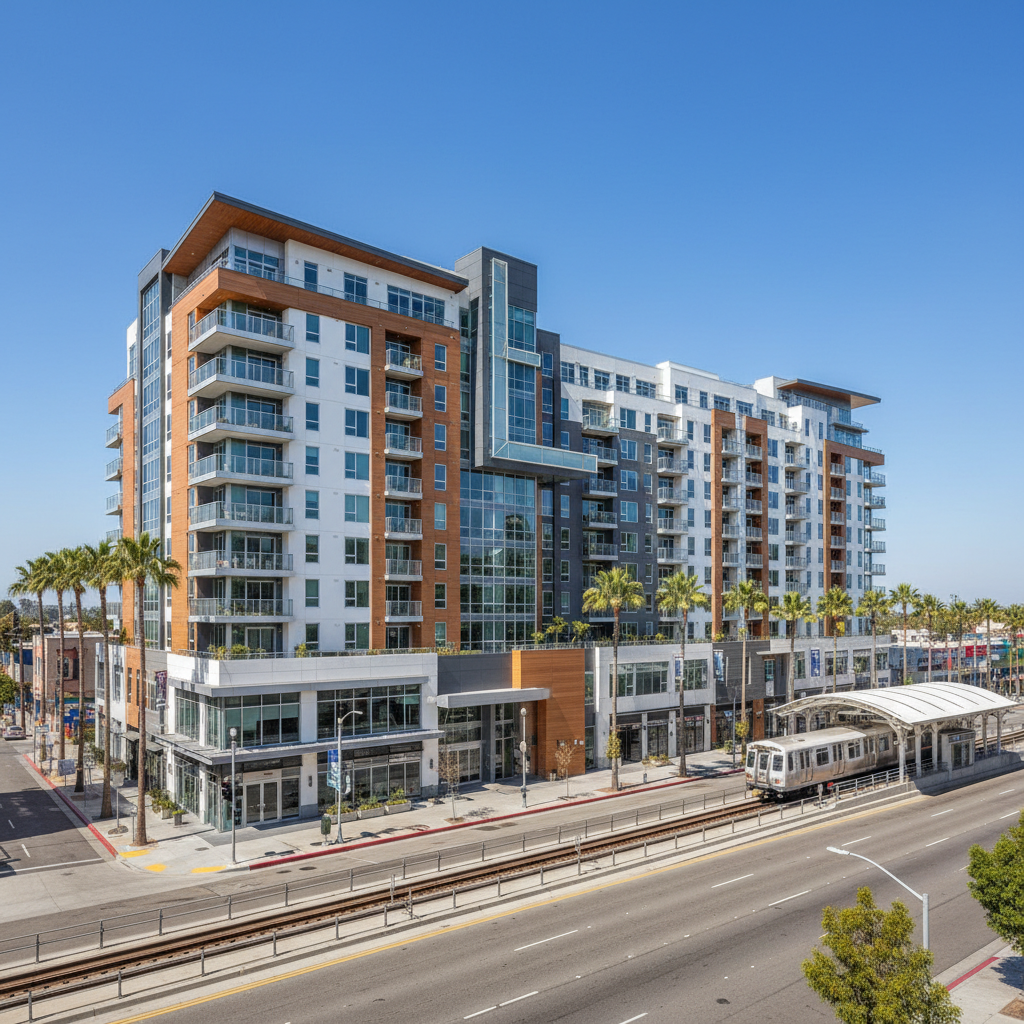
Success in high-demand areas like the NoHo Arts District requires a deep understanding of local ordinances. Recent spotlights on properties like Living at NoHo showcase how integration into a community’s cultural fabric can drive demand, but this must be balanced with strict compliance to Los Angeles Short-Term Rental (STR) laws.
Navigating LA Arts District Regulations
In Los Angeles, any rental for 30 nights or fewer is considered an STR and requires a Home-Sharing registration. Many corporate housing providers in the Inland Empire and Orange County are now focusing on '31-day plus' models to circumvent these restrictive STR caps. This strategy allows owners to offer furnished luxury units without the daily occupancy tax burdens or the 180-day annual cap imposed by many Southern California cities.
Zoning for High-Turnover Units
Before converting a multi-family building in Riverside or San Bernardino into a furnished fleet, verify the underlying zoning. Some areas require specific 'Commercial/Residential' mixed-use permits to lawfully operate high-turnover furnished units. Navigating these requirements is essential to prevent city-issued 'Cease and Desist' orders that can derail an entire investment portfolio.
3. Liability Shielding for Furnished Assets: The Usage Agreement
One of the most overlooked risks in furnished property management is the liability associated with the furniture itself. When a property is leased as a 'furnished unit,' the landlord assumes responsibility for the safety and maintenance of every item provided, from coffee makers to bed frames.
Separating Real Property from Personal Property
At McIntire Kingstone, we recommend a dual-contract approach or a bifurcated 'Usage Agreement.' This strategy separates the rental of the 'Real Property' (the walls and floors) from the 'Personal Property' (the furniture and electronics). By doing so, you can limit habitability claims. For example, if a high-end sofa breaks, a tenant might attempt to claim the unit is 'untenantable' to withhold rent. If the furniture is leased under a separate equipment usage agreement, the remedy is typically a repair or replacement of the item, not a reduction in residential rent.
The Habitability Buffer
California’s strict habitability laws (Civil Code 1941.1) are designed for housing. By framing your furnished components as 'amenity packages' rather than essential housing elements, you create a legal buffer. This is particularly vital in the luxury markets of Newport Beach and Santa Monica, where business travelers have high expectations for the quality of interior assets.
4. Occupant vs. Tenant: Implementing 30-Day Guest Transition Audits
The 'holdover' tenant is the greatest fear of any Southern California property owner. To prevent an occupant from overstaying their welcome and claiming permanent residency, property managers must implement strict 30-day guest transition audits.
The 'Re-Key' and 'Re-Sign' Protocol
For corporate stays that are slated to last 60 or 90 days, do not simply let the clock run. We recommend a proactive touchpoint at the 25-day mark. This audit should verify:
- The continued business necessity of the stay.
- The condition of the furnished assets throughout the unit.
- The execution of a fresh extension agreement that reiterates the temporary, non-residential nature of the occupancy.
The Perils of 'The Inland Empire Extension'
We have seen cases in Riverside and San Bernardino where owners allowed 'month-to-month' rollovers for furnished units without updated paperwork. By day 90, the guest had moved in a pet and changed the mailing address, effectively becoming a permanent tenant. To avoid this, ensure your agreements strictly prohibit mail forwarding and require a permanent 'home of record' to be maintained by the guest.
5. Tax & Regulatory Sanctuaries: Mitigating 2026 TOT Impacts
As of March 2026, many Southern California municipalities have increased their Transient Occupancy Tax (TOT) to fund local infrastructure. However, the definition of 'transient' varies. In most jurisdictions, a stay of 31 days or more exempts the owner from collecting and remitting TOT.
Maintaining Residential Status for Financing
Investors must be careful not to lean too heavily into the 'hotel' model. If your property is classified as a commercial lodging facility rather than a residential apartment building, it could negatively impact your ability to secure residential financing or favorable interest rates through entities like Fannie Mae or Freddie Mac. Maintaining 'residential' status for financing while operating under 'commercial' agreements for guests requires a delicate legal balance.
Local Market Divergence
Recent data from the Dwellsy IQ 2026 Rental Housing Index suggests that while national apartment rents are beginning to moderate due to new supply, furnished house rents in Southern California remain steady. This indicates a high demand for single-family homes utilized as corporate retreats in the Inland Empire and suburban San Diego. Owners should leverage this demand by positioning their assets as 'Executive Sanctuaries' rather than 'Vacation Rentals' to stay within the residential tax lane.
The McIntire Kingstone Advantage: Professional Oversight in a Complex Market
The shift toward furnished, high-turnover corporate housing offers unparalleled ROI for Southern California investors, but only if the 'lease creep' is kept at bay. Navigating the intersection of California Civil Code, local zoning, and the 2026 tax landscape requires professional expertise.
As a leading property management firm serving Los Angeles, Orange County, the Inland Empire, and beyond, McIntire Kingstone provides the 'Sentinel' oversight your properties deserve. Our team specializes in lease drafting, guest auditing, and compliance management to ensure your furnished fleet remains a high-yielding asset rather than a legal liability.
Whether you are managing a single luxury unit in the NoHo Arts District or a portfolio of corporate houses in Riverside, we invite you to consult with our compliance experts. Let us help you fortify your assets against the complexities of the 2026 market, ensuring your properties remain profitable, protected, and positioned for long-term success.
 .5B Bets on the SoCal Rent Silence" class="w-full h-40 object-cover transition-transform duration-300 group-hover:scale-105" loading="lazy"/>