The New Landscape of Southern California Rental Risk
As we navigate the spring of 2026, the Southern California rental market is facing a convergence of legislative shifts and large-scale development trends that demand a fundamental rethink of property management operations. For owners in Los Angeles, Orange County, and the Inland Empire, the traditional metrics of success—occupancy and market rent—are no longer sufficient. We are entering the era of the "Shadow Vacancy."
Shadow vacancy refers to units that are technically occupied but are effectively non-performing due to extended legal pauses, administrative delays, or socio-political interruptions. With the introduction of State Senator María Elena Durazo’s SB 1243, which proposes a 12-month eviction moratorium for tenants impacted by immigration enforcement, the "risk math" for Southern California landlords has shifted overnight. At McIntire Kingstone, we believe resilience is not just a buzzword; it is a measurable operational standard that must be integrated into your management team's DNA.
1. Analyzing SB 1243: The 12-Month Pause and the New Risk Math
The legislative proposal SB 1243 has sent ripples through the investment communities of Mid-Wilshire, Highland Park, and Vernon. Under this bill, tenants who can prove economic hardship resulting from ICE enforcement actions since June 2025 would be entitled to a one-year stay on eviction proceedings. While the intent is to provide humanitarian stability during traumatic family separations, the financial reality for property owners is a potential 12-month period of zero cash flow from affected units.
Recalibrating Debt Service Coverage Ratios (DSCR)
In the past, a 5% vacancy factor was the gold standard for underwriting in high-demand areas like San Diego or Orange County. In 2026, this math is obsolete. Owners must now factor in "legislative latency"—the time a unit spends in legal limbo. If a portfolio has a high concentration of mixed-status households, the risk profile changes. Investors should work with their management teams to conduct a "Stress Test" on their debt service: Can your property survive if 10% of your units pay zero rent for 12 months?
Documentary Burden and Compliance
If SB 1243 passes, the burden of proof will rely on tenant documentation. Property managers must be trained to navigate these sensitive legal requirements without violating Fair Housing laws or the California Tenant Protection Act. It is critical to have legal counsel review all communication templates to ensure that while you are verifying the "impact" required by the law, you are not inadvertently engaging in discriminatory practices or harassment.
2. Implementing 'Financial Triage' Protocols for On-Site Staff
Waiting for a 3-day notice to pay or quit is a reactive strategy that no longer works in the current regulatory environment. To mitigate the shadow vacancy, on-site managers must be trained in proactive "financial triage." This involves identifying the early warning signs of tenant distress before the ledger turns red.
Training Managers in Proactive Outreach
Distress often manifests in subtle ways: a missed utility payment, a request to change the rent due date, or queries about breaking a lease early. We recommend a "Pulse Check" system where managers perform quarterly outreach to all residents, not just to handle repairs, but to build the rapport necessary for tenants to be honest about financial shifts. When a tenant feels their manager is a resource rather than an adversary, they are more likely to disclose an ICE-related hardship or job loss early, allowing the owner to explore rent relief programs or voluntary move-out agreements before a 12-month pause kicks in.
The 'First Five' Strategy
- Day 1: Automated reminder of upcoming rent.
- Day 3: Friendly, non-legal personalized check-in call.
- Day 5: Face-to-face meeting to discuss payment plans or local non-profit assistance.
By shortening the communication loop, managers can identify which tenants fall under SB 1243 protections and which require standard collection efforts, allowing for more accurate cash flow forecasting.
3. Mastering the 'Santa Ana Surge': Scaling for High-Density Developments
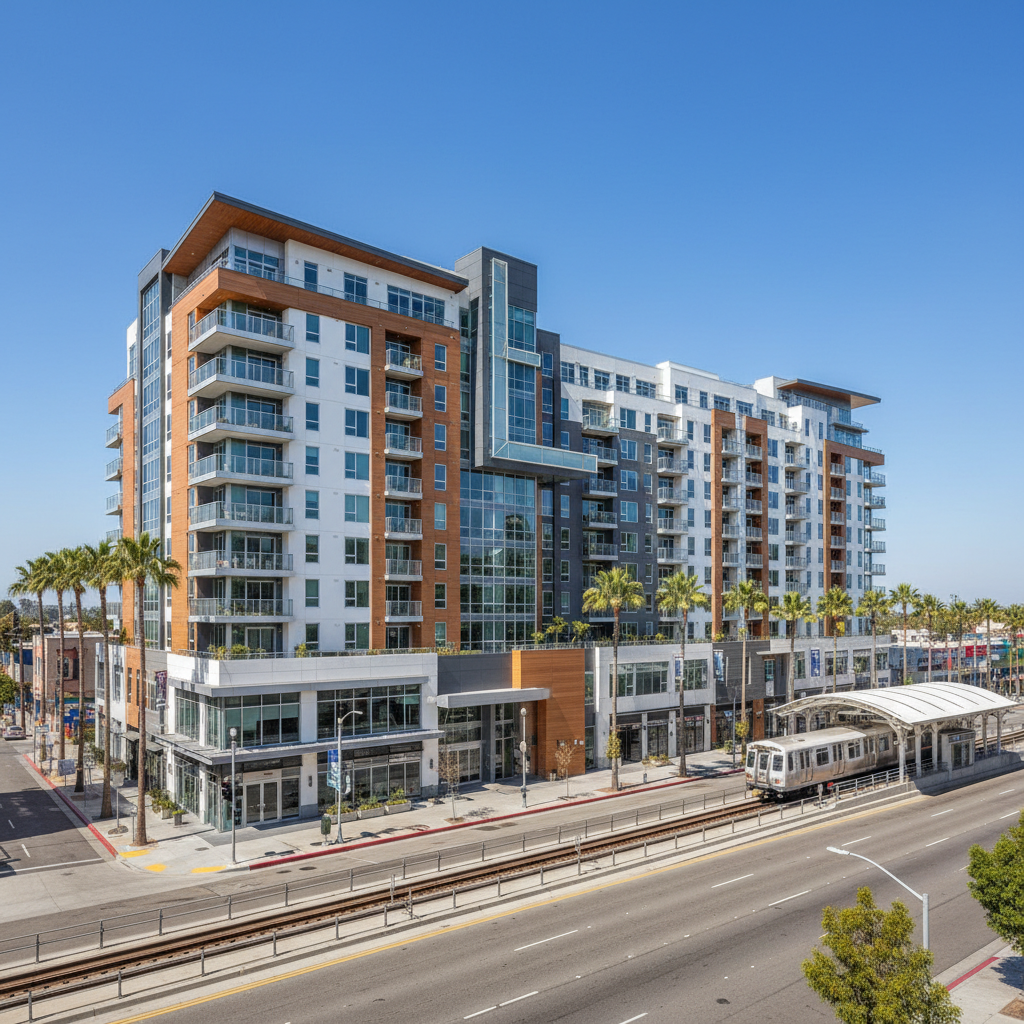
While legislative hurdles grow, the physical landscape of Southern California is also changing. Projects like "The Carina" in Santa Ana—a massive 408-unit development recently securing
Technological Hyper-Scale
For the "Santa Ana Surge," manual processes fail. Scaling management operations for these mega-developments requires integrated AI-driven platforms that handle everything from biometric access control to automated package lockers. High-density living increases the rate of wear and tear, meaning maintenance teams must transition from "reactive repair" to "predictive maintenance" using IoT sensors in HVAC and plumbing systems.
Community Management as Retention
In a 408-unit environment, anonymity is the enemy of retention. High-density projects require dedicated resident experience coordinators. When residents feel part of a community, they are more likely to prioritize rent over other expenses and less likely to engage in the litigation-heavy disputes that drive up management costs. Scaling for the 2026 pipeline means hiring for hospitality as much as for property oversight.
4. Strategic Reserve Planning: Moving Beyond Maintenance
Traditionally, capital expense (CapEx) reserves were designated for roofs, boilers, and asphalt. In 2026, Southern California owners must establish "Legislative Buffer Accounts." These are liquid reserves specifically earmarked to cover the carrying costs of units tied up in extended eviction pauses or legislative delays.
Calculating Your Buffer
A standard maintenance reserve might be
- Property taxes and insurance premiums per unit.
- Average monthly utility costs.
- Legal fees for navigating SB 1243 or local rent control board hearings.
We suggest maintaining a buffer equivalent to six months of operating expenses for 5% of your portfolio. In cities like Los Angeles or Santa Monica, where local ordinances often add additional layers of complexity, this buffer may need to be even higher.
Optimizing Cash Flow for Reserve Funding
To fund these buffers without starving the property of necessary upgrades, owners should look toward ancillary revenue streams. This could include EV charging stations (highly lucrative in the Inland Empire and OC), 5G rooftop cell tower leases, or premium storage locker rentals. Diversifying income ensures that a 12-month non-payment period in one unit doesn't derail the entire property's stability.
5. The 2026 Audit: Reviewing Management Contracts
Is your property management agreement stuck in 2019? Standard contracts often focus solely on occupancy targets and physical maintenance. In today’s climate, those KPIs are insufficient. A 2026-ready management contract must include specific "crisis mitigation" workflows.
Redefining Key Performance Indicators (KPIs)
When auditing your management company, look for these specific inclusions:
- Legislative Reporting: Does the manager provide monthly updates on how new state bills (like SB 1243) or local measures affect your specific asset?
- Mediation Success Rate: Instead of just "Evictions Filed," measure "Cases Settled via Cash-for-Keys or Mediation." In 2026, a settlement is often cheaper than a contested 12-month pause.
- Grant Procurement: Does your management staff have the capacity to apply for state or local rental assistance funds on behalf of the tenant?
The Transition from Occupancy to Performance
A property can be 100% occupied but only 85% performing. Ensure your management incentives are tied to *collected* revenue and net operating income (NOI), rather than just the number of signed leases. Your management partner should be a risk-mitigation specialist, not just a rent collector.
Strategic Action Steps for SoCal Landlords
To wrap up your 2026 resilience strategy, we recommend taking the following immediate actions:
- Portfolio Census: Work with your legal team to understand the demographic exposure of your properties to potential SB 1243 impacts without violating privacy laws.
- Development Review: If you own property near high-density hubs like the MainPlace Mall in Santa Ana, evaluate how the influx of 400+ new units will impact your competitive amenities and tenant retention strategies.
- Reserve Reallocation: Move 10-15% of your current CapEx budget into a liquid Legislative Buffer account.
- Staff Re-Training: Schedule a "Financial Triage" workshop for your on-site managers to improve early detection of tenant distress.
The Southern California real estate market remains one of the most resilient and profitable in the world, but it rewards those who prepare for the legislative and structural shifts on the horizon. At McIntire Kingstone, we specialize in navigating these complexities, ensuring that your investment survives the "Shadow Vacancy" and thrives in the new era of California property management.
Contact McIntire Kingstone today for a comprehensive portfolio audit and to learn how our resilience-focused management strategies can protect your Southern California assets.
 .5B Bets on the SoCal Rent Silence" class="w-full h-40 object-cover transition-transform duration-300 group-hover:scale-105" loading="lazy"/>