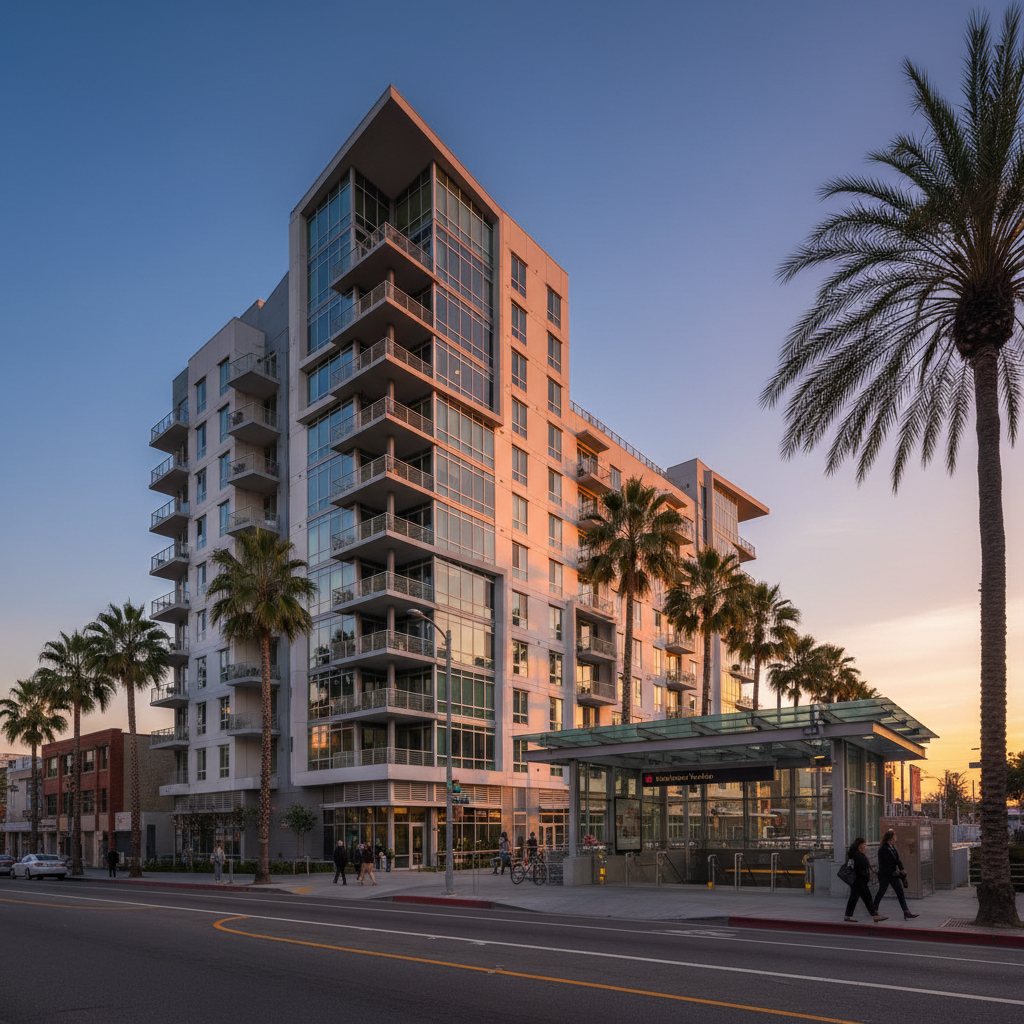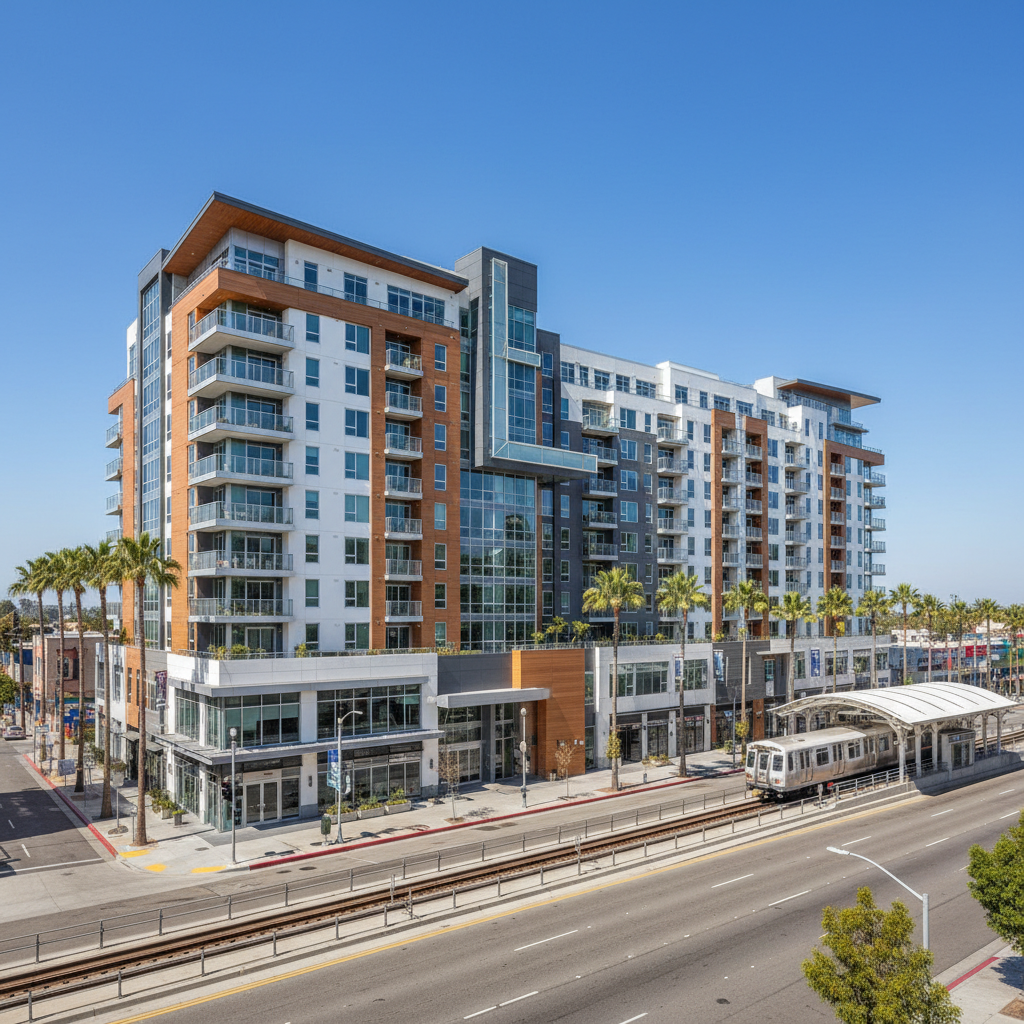
The Vertical Shift: Navigating the New Era of Southern California Density
For decades, the Southern California skyline—from the suburban stretches of the Inland Empire to the coastal enclaves of Orange County—has been defined by horizontal expansion. However, as of July 1, 2026, the landscape is undergoing a permanent transformation. The implementation of Senate Bill 79 (SB 79) has effectively ended the era of low-density exclusivity near major transit hubs. Property owners and real estate investors are now looking at parcels that previously held a duplex and seeing the potential for nine-story mid-rise developments.
At McIntire Kingstone, we recognize that while the "2027 Horizon" promises increased inventory and institutional interest, the immediate challenge for property managers lies in the human element. Managing a "Mid-Rise Magnolia"—our term for these new, flourishing vertical neighborhoods—requires more than just structural maintenance. It requires a sophisticated approach to tenant relations, bridging the gap between legacy residents and the new wave of transit-first urbanites. As institutional capital like the recent
1. Bridging the Gap: Managing the Social Transition for Legacy Tenants
The most significant challenge in the SB 79 era is the suddenness of the scale. When a quiet neighborhood in North Hollywood or San Diego’s Mid-City experiences a jump from 2 units to a 9-story mid-rise, legacy tenants often feel a sense of displacement and "density shock." Managing this transition is crucial for maintaining low turnover and avoiding the legal friction that often accompanies neighborhood gentrification.
Validating the Concerns of Long-Term Residents
Long-term tenants provide stability to a portfolio. When construction begins on a neighboring lot, or when your own property undergoes a vertical addition, proactive communication is your strongest tool. We recommend hosting "Neighborhood Town Halls" (even virtually) to explain the construction timeline, noise mitigation efforts, and the long-term benefits of the new development, such as improved local security and enhanced transit access. In Southern California, where the "Not In My Backyard" (NIMBY) sentiment remains high, transparency acts as a pressure relief valve.
Integration Through Inclusion
One effective strategy is to offer legacy tenants early access to new amenities within the mid-rise. If you are developing a new high-density building adjacent to an older, smaller complex you own, consider creating a "Shared Community Pass." This allows tenants in the older units to access the new rooftop garden or gym. This prevents an "us vs. them" mentality and creates a unified community identity that makes legacy tenants feel like valued participants in the neighborhood's growth rather than victims of it.
2. The Transit-First Tenant Profile: Tailoring the Urban Experience
SB 79 specifically targets areas near train, subway, and high-frequency bus stops. In Los Angeles, this means neighborhoods along the Metro D-Line (Purple Line) extension or the North Hollywood transit hub. In Riverside and San Bernardino, it targets the Metrolink corridors. The tenants attracted to these builds are not your traditional SoCal drivers; they are "transit-first" urbanites.
Amenities That Matter to the Car-Free Resident
Standard amenities like extra parking spaces are becoming obsolete in these developments. Instead, property owners should focus on:
- High-End Bike Storage and Repair Stations: Provide secure, climate-controlled rooms with integrated work stands and pump stations.
- Dedicated Rideshare Lobbies: A safe, indoor lounge area for tenants waiting for Ubers or Lyfts is a major selling point in densely populated areas.
- Last-Mile Connectivity Solutions: Partner with scooter companies for dedicated parking zones or provide "transit credits" as a signing bonus.
Communication Channels for the Digital Nomad
Transit-first tenants are typically younger, tech-savvy, and mobile. Traditional paper notices on doors are no longer sufficient. Property management must transition to app-based ecosystems where tenants can track package deliveries, pay rent, and—most importantly—receive real-time transit alerts. Integrating a live feed of Metro or Metrolink schedules into the building’s lobby displays or tenant app creates a seamless urban living experience that justifies the premium rents of a mid-rise build.
3. Noise and Nuance: Proactive Dispute Resolution in High-Density Corridors
Increased density inevitably leads to increased noise. In a nine-story mid-rise, you have vertical stacking and shared walls that didn't exist in traditional garden-style layouts. Furthermore, transit corridors are inherently louder. Managing tenant expectations regarding noise is vital to preventing legal disputes and early lease terminations.
The "Good Neighbor" Agreement
At McIntire Kingstone, we suggest incorporating a specific "Urban Living Addendum" into leases for SB 79 developments. This document acknowledges the reality of high-density living—the sounds of the Metro, the proximity of neighbors—and sets clear expectations for quiet hours and floor-covering requirements. By setting the expectation that urban living is active and vibrant, you reduce the number of trivial complaints.
Technical Mitigation Strategies
During the management phase, if noise disputes persist, owners should consider proactive retrofits. Installing high-STC (Sound Transmission Class) windows in units facing the street and implementing thick underlayment for luxury vinyl plank (LVP) flooring can prevent the majority of tenant-on-tenant noise complaints. In professional property management, we’ve found that a $500 acoustic rug pad can often save thousands in legal mediation costs and vacancy losses.
4. Common Ground Architecture: Fostering Community in the Sky
The danger of high-density living is isolation. When tenants feel like just another number in a 100-unit building, they are more likely to move. Architecture must serve as a tool for retention. Under SB 79 rezoning, the use of "Common Ground" becomes a competitive advantage.
Rooftop Gardens: The New Backyard
In Southern California, the weather is our greatest asset. A rooftop garden in a mid-rise development in Orange County or San Diego isn't just a luxury; it's a replacement for the private backyard that density takes away. These spaces should be designed for interaction, featuring communal BBQ areas, dog runs with premium turf, and "co-working pods" for the remote workforce. A tenant who knows their neighbor’s name because they met in the rooftop garden is 50% more likely to renew their lease.
Shared Transit Lobbies as Social Hubs
Instead of a sterile entryway, the "SB 79 Lobby" should be a social hub. Think of it as a hotel lobby experience—high-speed Wi-Fi, coffee stations, and comfortable seating. By creating a space where tenants congregate while waiting for their commute, you foster an organic sense of community. This is particularly effective in Riverside and San Bernardino, where transit commuters often value a transition space between their professional day and their private home.
5. Transparency as a Shield: Communicating Zoning Overhauls
The rollout of SB 79 has caused significant anxiety. As cities like Los Angeles attempt to find "wiggle room" or delay implementation, tenants often hear rumors of massive construction or displacement. As a property owner, your job is to be the primary source of truth to prevent fear-based vacancies.
Educating Tenants on Local Implementation
Cities across the San Francisco Bay Area to Los Angeles and San Diego are taking different approaches to the July 1 deadline. For example, Los Angeles recently voted to overhaul portions of its zoning map to gain more planning time. Tenants need to know how this affects *their* building specifically. We recommend providing quarterly "Neighborhood Update" newsletters that explain:
- What the new zoning actually allows (it doesn't mean every house is being demolished tomorrow).
- The timeline for any planned improvements to the local transit infrastructure.
- How these changes will actually increase local property values and neighborhood safety.
The Power of Early Notice
If you are planning to utilize SB 79 to expand your own property, tell your tenants early. Under California law, there are specific notice requirements for construction and potential displacement. However, exceeding those legal minimums by providing 6-12 months of "soft notice" allows you to work with tenants on relocation within your portfolio or negotiate lease buyouts that are mutually beneficial. Transparency builds trust, and in a market where "rents are breathing out," trust is your most valuable currency.
Conclusion: Capitalizing on the 2027 Horizon
The
By focusing on the human side of density—managing legacy transitions, catering to transit-first lifestyles, through proactive noise resolution, and community-centric architecture—property owners can do more than just build units; they can cultivate thriving vertical neighborhoods. At McIntire Kingstone, we are here to help you navigate these complex regulatory waters and ensure your Southern California investments continue to grow, even as the skyline reaches new heights.
MK Property Management
The McIntire Kingstone team brings decades of combined experience in property management, real estate investment, and tenant relations.
 .5B Bets on the SoCal Rent Silence" class="w-full h-40 object-cover transition-transform duration-300 group-hover:scale-105" loading="lazy"/>