The Great Density Pivot: Understanding Southern California's Modular Revolution
As we navigate the first quarter of 2026, a seismic shift is occurring beneath the surface of the Southern California real estate market. For decades, property owners in regions like Los Angeles, Orange County, and the Inland Empire have been locked in a battle against exorbitant construction costs and sluggish bureaucratic timelines. However, the tide is turning. We are witnessing the 'Lego-fication' of the Southland—a movement defined by factory-built housing, modular density, and a legislative environment that finally prioritizes speed over red tape.
At McIntire Kingstone, we are seeing property owners move away from traditional 'stick-built' renovations in favor of high-tech modular additions. This isn't just a trend; it's a strategic response to a market where the median homeowner tenure in Los Angeles and Orange County has hit a staggering 20 years. Because owners are staying put longer, the only way to unlock value is to build 'up and in' on existing lots. The 2026 Density Pivot is the answer to this inventory lock-in, providing a pathway for investors to increase cash flow without the decade-long headaches of traditional development.
1. The 2026 Legislative Push: Bypassing the Traditional Bottleneck
The most significant catalyst for this change is the California State Legislature’s recent push to standardize factory-built housing rules. Previously, modular projects were often stalled by local building departments that treated factory-built units with the same scrutiny as custom on-site builds, effectively doubling the inspection burden.
Uniform Standards for a Faster State
Proposed measures in 2026 aim to centralize the approval process for modular units at the state level. This means that once a factory design is approved by the California Department of Housing and Community Development (HCD), local municipalities in cities like Santa Monica or Cypress cannot add additional structural design requirements. This 'pre-approval' status allows property owners to skip months of back-and-forth with local planners.
Eliminating the 'Cost Burden'
Recent reports indicate that these new rules are designed specifically to ease the construction cost burden that has plagued Southern California developers. By shifting the bulk of inspections to the factory floor, the state is effectively reducing the 'soft costs' of development—permitting, architectural reviews, and site inspections—which can account for up to 30% of a project's budget in high-value metros.
2. The 'Katella 25' Catalyst: From Corporate Exit to Hybrid Density
A prime example of the changing landscape is the recent marketing of 'Katella 25' in Cypress, California. The sale of the 25-acre Yamaha Motor Corporation U.S.A. headquarters signals a massive shift in how we view land use in the Southland. We are no longer looking at pure industrial or pure office zones; we are entering the era of the industrial-residential hybrid.
Redeveloping the Corporate Campus
Large-scale assets like the Katella 25 site represent a rare opportunity for 'infill' development. As corporate giants exit large campuses, these sites are being reimagined as modular communities. Because these plots are already zoned for high-intensity use, they are the perfect candidates for modular assembly. Developers can deploy hundreds of pre-fabricated units onto these 25-acre sites far faster than traditional methods would allow.
Regional Implications for the Inland Empire and Riverside
While Cypress and Orange County lead the way in high-value redevelopments, the ripple effects are felt in Riverside and San Bernardino. In these regions, where homeowner tenure averages around 12.4 years, large industrial-residential hybrid zones are serving as the blueprint for absorbing the population overflow from the coastal regions. This 'Lego-style' approach allows for the rapid creation of workforce housing near logistics hubs, maintaining the economic vitality of the Inland Empire.
3. The Cost-Benefit Analysis: Why Modular Wins for Local Owners
For the individual landlord or small-scale investor in Southern California, modular construction offers a unique financial profile. When we analyze the ROI of adding a modular Accessory Dwelling Unit (ADU) or a multi-unit addition in a market like San Diego or Riverside, the numbers are increasingly in favor of pre-fab.
- Precision Budgeting: Modular units are built in controlled environments, meaning there are no 'unforeseen site delays' or weather-related cost overruns. What you are quoted is generally what you pay.
- Reduced Labor Costs: With the skilled labor shortage hitting California hard, finding a reliable contractor for a year-long project is difficult. Modular units require minimal on-site labor—only for foundation work and final utility hookups.
- Immediate Depreciation Benefits: Because modular units can often be classified differently than permanent structures in certain tax contexts, owners may be able to leverage accelerated depreciation schedules, though you should always consult with a tax professional.
Increasing Underutilized Lot Density
Many property owners in Los Angeles are sitting on 'underutilized lots'—large backyards or parking areas that could be generating revenue. Under the current legislative climate, adding a 2-bedroom modular unit can increase the property’s gross monthly rent by 30-50% while adding significant appraisal value. The 'Lego-fication' approach allows this to happen without turning the primary residence into a construction zone for 18 months.
4. Speed as a Hedge: The 3-Day Install vs. High Interest Rates
In the current financial environment, time is literally money. With interest rates remaining a primary concern for California investors, the speed of modular assembly has become the ultimate hedge. A traditional apartment build in Santa Monica might take 24 months from ground-break to occupancy. During those two years, the investor is paying interest on construction loans with zero rental income coming in.
The 72-Hour Transformation
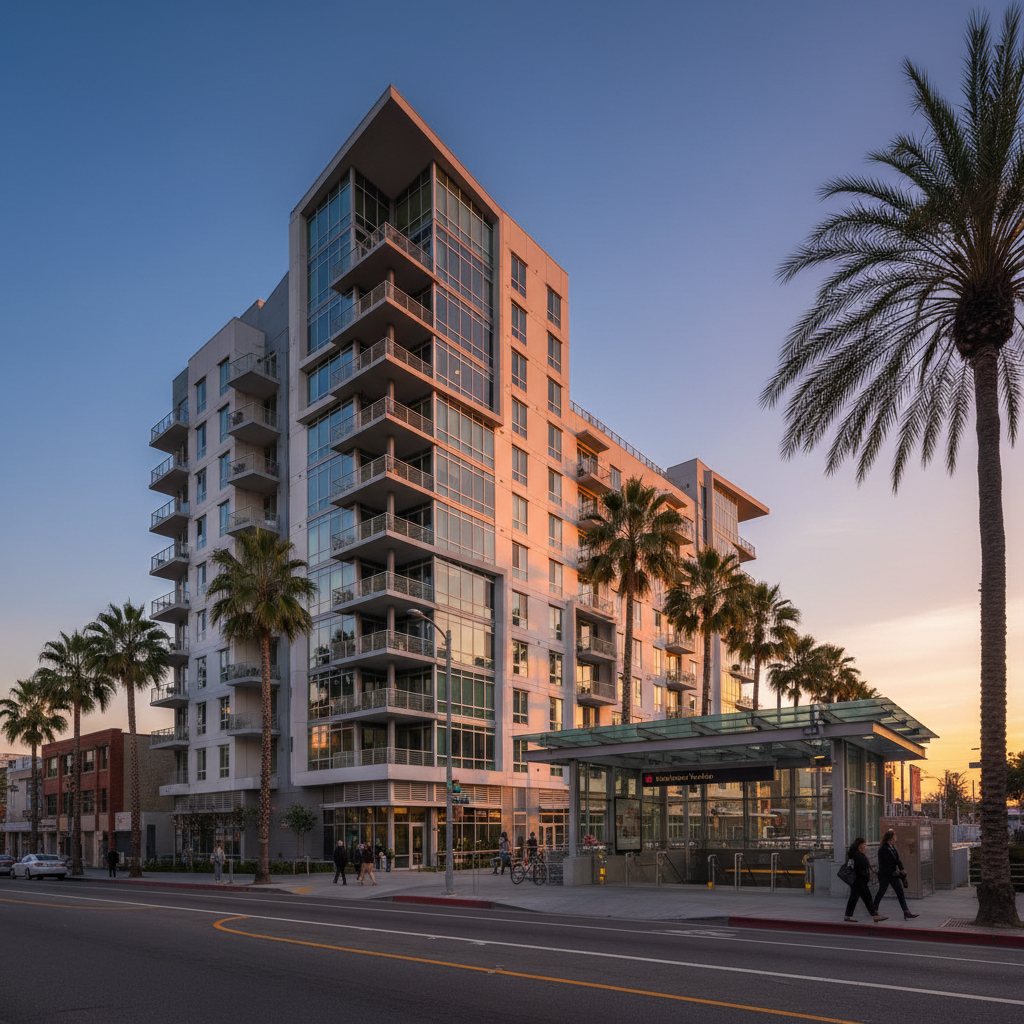
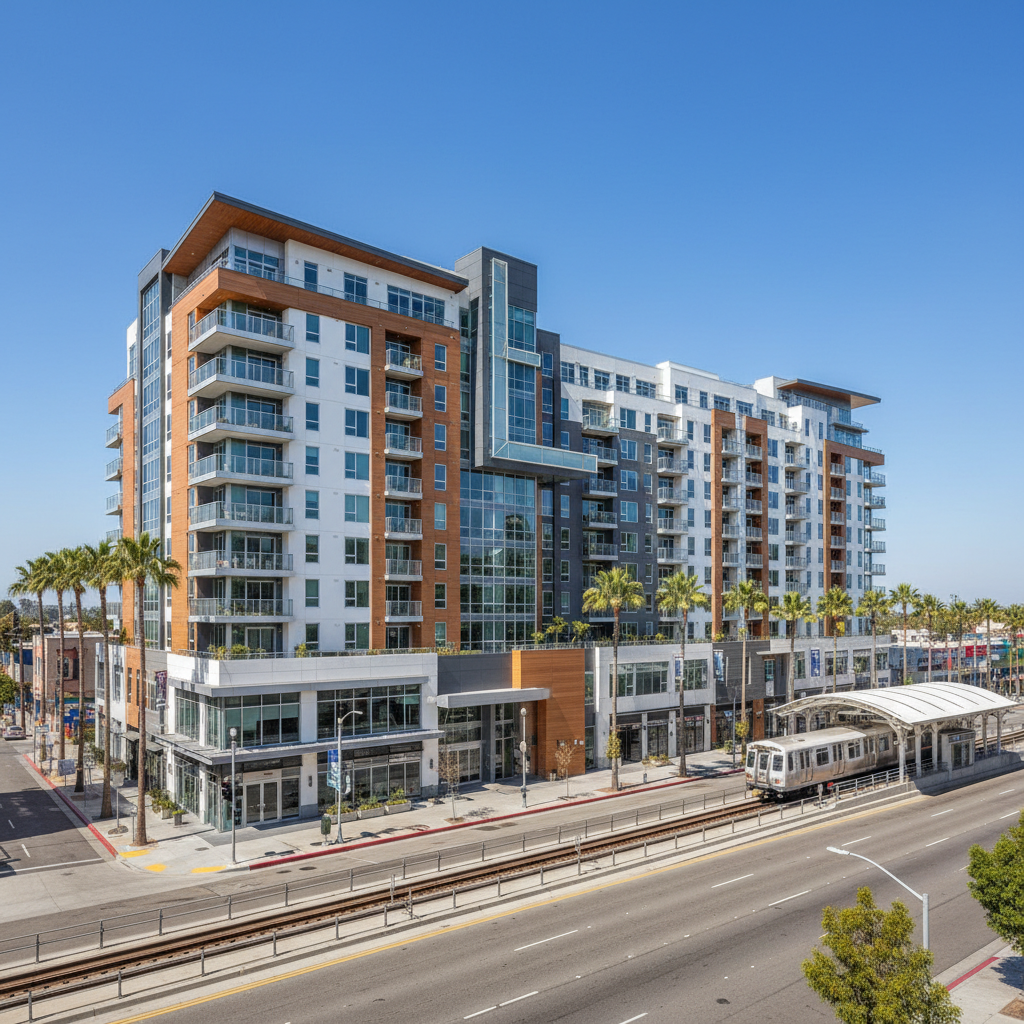
As seen in recent projects like Berkeley Station in Santa Monica, modular units can be craned into place in as little as three days. While the site preparation takes time, the actual assembly of the living spaces is incredibly rapid. For a property owner, this means:
- Faster Stabilization: You can go from 'foundation' to 'tenant-ready' in a fraction of the time.
- Reduced Financing Costs: Shorter construction windows mean fewer interest payments on high-rate short-term loans.
- Minimal Community Disruption: In dense neighborhoods like those in Orange County, 3 days of noise is much more palatable to neighbors (and local councils) than two years of dust and blocked traffic.
This speed allows Southern California landlords to be more agile. If the market shifts, you aren't stuck halfway through a three-year project; you can pivot and complete units to meet current demand.
5. Predicting the Ripple Effect: Normalizing Lower Entry Points
The ultimate result of this modular momentum is the normalization of lower entry points for new inventory in high-value metros. Historically, buying into Santa Monica or Cypress required a massive capital outlay because the inventory was so scarce and the cost to build so high. Modular construction is changing that math.
New Inventory for High-Value Metros
By lowering the cost of production, factory-built housing allows for a more diverse range of rental pricing. This doesn't mean property values will drop; rather, it means more 'attainable' units will enter the market, stabilizing the rental ecosystem. For property managers, this creates a healthier mix of tenants and reduces the volatility associated with ultra-high-end luxury rentals.
Expert Advice for Southern California Investors
How can you take advantage of this shift today? At McIntire Kingstone, we recommend the following steps for our clients in Southern California:
- Audit Your Portfolio: Identify properties with excess land or low Floor Area Ratio (FAR). These are your prime candidates for modular additions.
- Check Local ADU Bylaws: While state law is standardizing, local nuances in San Diego or Riverside regarding utility tie-ins can still impact your modular install.
- Vet Modular Partners: Not all modular companies are created equal. Focus on those with established California HCD approvals to ensure you benefit from the 2026 legislative shortcuts.
- Prepare for the 'Industrial-Residential' Shift: If you are looking for new acquisitions, monitor corporate exits like the Katella 25 site. These locations often lead the way in zoning changes that favor high-density modular builds.
Conclusion: Building the Future of the Southland
The 'Lego-fication' of Southern California isn't just a clever name for a construction trend—it is the necessary evolution of a real estate market that has been pushed to its limits. By embracing modular momentum, owners in Los Angeles, Orange County, and beyond can overcome the hurdles of high interest rates, stagnant inventory, and complex regulations.
As we move through 2026, the ability to build quickly, efficiently, and densely will separate the successful investors from the rest. At McIntire Kingstone, we are committed to helping our clients navigate these changes, ensuring that your property remains a high-performing asset in an ever-evolving landscape. The future of Southern California housing is being built in a factory today—is your portfolio ready to put the pieces together?
 .5B Bets on the SoCal Rent Silence" class="w-full h-40 object-cover transition-transform duration-300 group-hover:scale-105" loading="lazy"/>