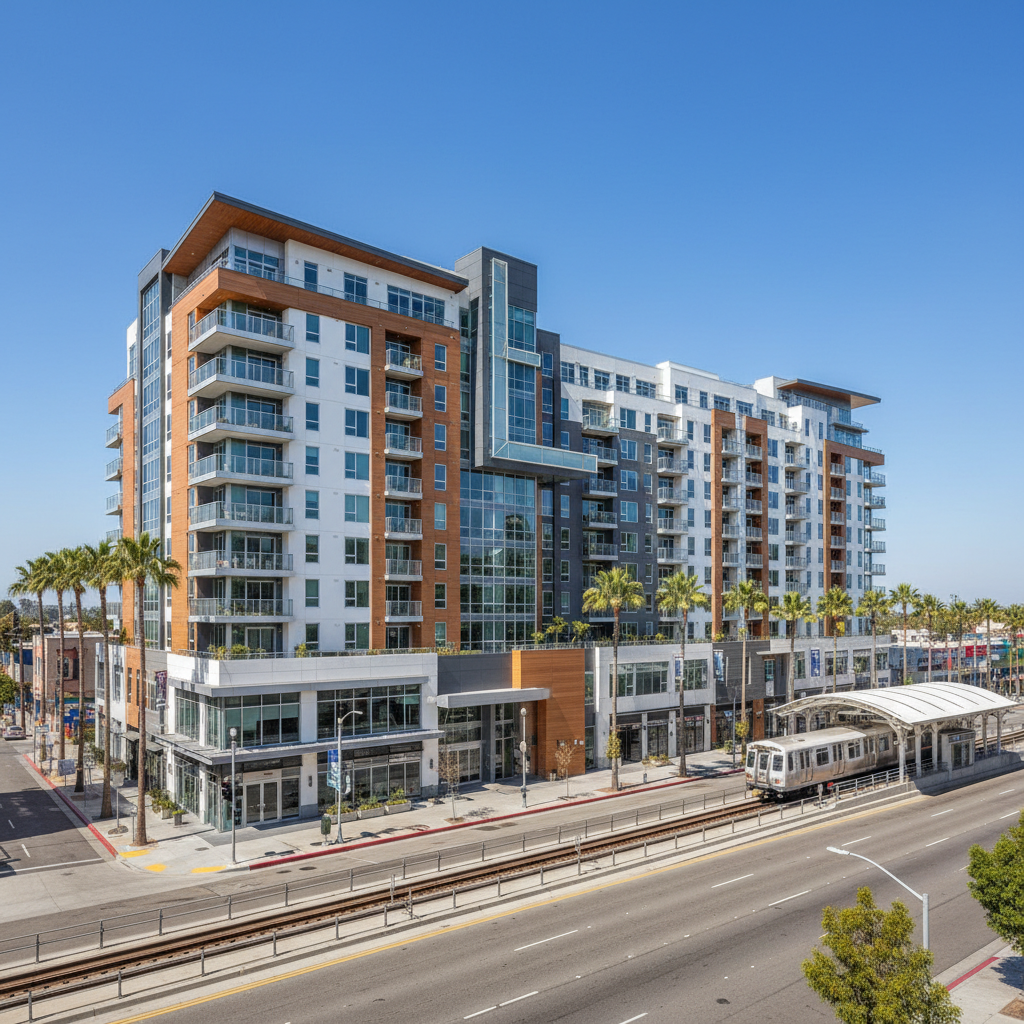
The April 2026 Thaw: Why Southern California is Moving Again
After nearly two years of stagnant transaction volume and a palpable sense of hesitation among real estate investors, the Southern California market has officially entered a period of 'thaw.' As of April 2026, the gridlock that characterized much of 2025 has dissipated, replaced by a strategic movement we at McIntire Kingstone are calling the Equity Exodus. This isn't a mass departure from the region; rather, it is a calculated migration of capital from underperforming assets with high 'dormant' equity into high-yield, AI-accelerated acquisitions.
In cities from Santa Monica to Riverside, property owners are realizing that sitting on massive equity is no longer the safest play. With the 2026 spring surge in full effect, the 'lock-in effect'—where owners felt trapped by low mortgage rates and high prices—is being countered by the urgent need for portfolio velocity. According to market experts like Aaron Juarez of Coldwell Banker Icon, homes that meet modern expectations are selling rapidly as owners across Los Angeles, Orange, and San Bernardino counties respond to shifting economic signals. For the sophisticated investor, this thaw represents the single best window in a decade to trade 'accidental equity' for intentional growth.
Leveraging AI-Driven 'Mortgage Coach' Comparisons
One of the primary barriers to the Equity Exodus has historically been the complexity of the math involved. Should you refinance to pull out cash and buy another unit, or should you sell and execute a 1031 Exchange? In the past, these calculations took days of manual spreadsheet work. Today, AI-powered tools like Mortgage Coach are revolutionizing how Southern California landlords make these decisions.
The Refinance vs. Sell Dilemma
As JJ Mazzo of CrossCountry Mortgage in San Juan Capistrano identifies, AI is now capable of producing side-by-side comparisons of thousands of mortgage options in minutes. This technology is crucial for evaluating the tax benefits of various strategies. For a landlord in Irvine or Newport Beach, the AI can model the impact of interest payments, tax deductions under current California law, and long-term cost estimates with pinpoint accuracy.
- Interactive Visualization: Instead of static PDFs, AI platforms provide interactive graphs and video narrations that explain the 'Total Cost of Analysis.'
- Precision Timing: By analyzing current market trends in San Diego and the Inland Empire, AI can forecast which exit strategy yields the highest post-tax cash flow over a 5-year horizon.
- Risk Mitigation: These tools highlight exactly how much equity should be left in a property to satisfy California’s lending requirements while maximizing leverage for the next acquisition.
Utilizing Predictive AI to Identify Emerging SoCal Micro-Markets
The SoCal market is not a monolith; it is a collection of micro-markets. While Los Angeles luxury markets may be cooling slightly, specific neighborhoods in the Inland Empire and Riverside County are showing explosive growth potential. The challenge has always been identifying these pockets before the 'smart money' moves in. Enter predictive AI.
The Death of Guesswork in the Inland Empire
Predictive analytics now allow investors to scan thousands of data points—from building permits and retail foot traffic to median income shifts—to identify where equity can be redeployed for the highest yield. For example, AI models are currently signaling high growth potential in San Bernardino County corridors where new infrastructure projects are nearing completion. By moving equity from a mature, low-growth asset in a saturated market like Huntington Beach into an emerging rental powerhouse in Temecula or Ontario, investors are seeing immediate boosts in both yield and appreciation velocity.
The Role of Automated Prospecting: Finding Off-Market Deals
In a competitive market like Southern California, the best deals aren't found on the MLS; they are found through direct-to-seller outreach. However, the traditional 'yellow letter' approach is dead. To secure off-market deals in 2026, savvy investors are utilizing automated, high-personalization tools like Handwrytten.
Scaling Personal Connections in Los Angeles and San Diego
Paul Young, an Irvine-based agent, has proven that AI-powered robots can now handwrite hundreds of prospecting cards in minutes. This effectively bridges the gap between digital efficiency and the personal touch required to convince a homeowner in Silver Lake or North Park to sell. When your capital is newly liquid from a previous sale, these automated systems allow you to flood the market with inquiries, reaching potential sellers before they ever contact an agent.
- Targeted Outreach: Use AI to filter for property owners with high equity and low turnover probability in specific zip codes across Southern California.
- Cost-Effective Scaling: Automated prospecting reduces the overhead of a traditional acquisitions department while maintaining the high response rates of handwritten mail.
- Speed of Acquisition: In the 2026 'thaw,' speed is the ultimate currency. Having a pipeline of off-market leads ensures that your 1031 Exchange timelines are never in jeopardy.
From 'Accidental Equity' to Intentional Growth
Many Southern California property owners have achieved wealth through 'accidental equity'—simply holding property during the massive appreciation cycles of the late 2010s and early 2020s. However, passive holding in 2026 carries its own set of risks, including aging inventory and increasingly complex California landlord-tenant laws like SB 567 (The California Tenant Protection Act update).
The 2026 Spring Surge Strategy
To maximize portfolio growth, investors must move from a defensive 'hold' posture to an offensive 'growth' posture. This involves:
- Auditing Your Equity: If your property has over 50% equity, that capital is effectively 'dormant.' It is earning the property's appreciation rate but is not working as leverage to acquire more cash-flowing assets.
- Navigating Local Regulations: Moving equity often requires selling. Be mindful of city-specific ordinances in Los Angeles (like ULA 'Mansion Tax' thresholds) or rent control nuances in San Diego when calculating your net proceeds.
- Deploying Capital in Yield-Rich Zones: Look for opportunities where the rent-to-price ratio is more favorable, such as multi-family units in San Bernardino or Riverside, which serve the growing commuter workforce.
Actionable Advice for SoCal Property Owners
If you are considering joining the Equity Exodus this spring, here is how to navigate the transition professionally and legally:
Consult with Local Experts
Property management isn't just about fixing toilets; it's about asset management. At McIntire Kingstone, we help owners across California and Missouri look at their portfolios through the lens of ROI. Before selling, ensure your property is managed to its highest potential to maximize its valuation. A well-managed building with clear financial records and low vacancy will always command a premium in the Southern California market.
Prioritize Tax-Deferred Strategies
Always work with a qualified 1031 Exchange accommodator. With the high property values in Orange County and LA, the capital gains hit can be substantial. By utilizing the 1031 Exchange, you can roll the entirety of your equity into a larger, more modern building or a larger quantity of units in a growth market without immediate tax liability.
Embrace the AI Edge
Do not rely on gut feeling. Use the tools mentioned—Mortgage Coach, predictive analytics, and Handwrytten—to make data-backed decisions. The investors who are winning in 2026 are those who combine local market knowledge with the efficiency of modern technology.
Conclusion: The Future of SoCal Real Estate Wealth
The 2026 real estate landscape in Southern California belongs to the proactive. The 'Equity Exodus' is not about fleeing California; it’s about optimizing within it. By leveraging AI to navigate the complexities of financing, identifying the right micro-markets, and automating the search for new deals, property owners can transform stagnant equity into a high-powered engine for generational wealth.
Whether you are managing a single-family home in Riverside or a multi-family complex in Long Beach, the 'thaw' is your signal to act. Analyze your portfolio, consult your management team, and begin the transition from accidental owner to intentional investor today.
 .5B Bets on the SoCal Rent Silence" class="w-full h-40 object-cover transition-transform duration-300 group-hover:scale-105" loading="lazy"/>