The 2026 Power Shift: Why ‘Vibe’ Outperforms Square Footage
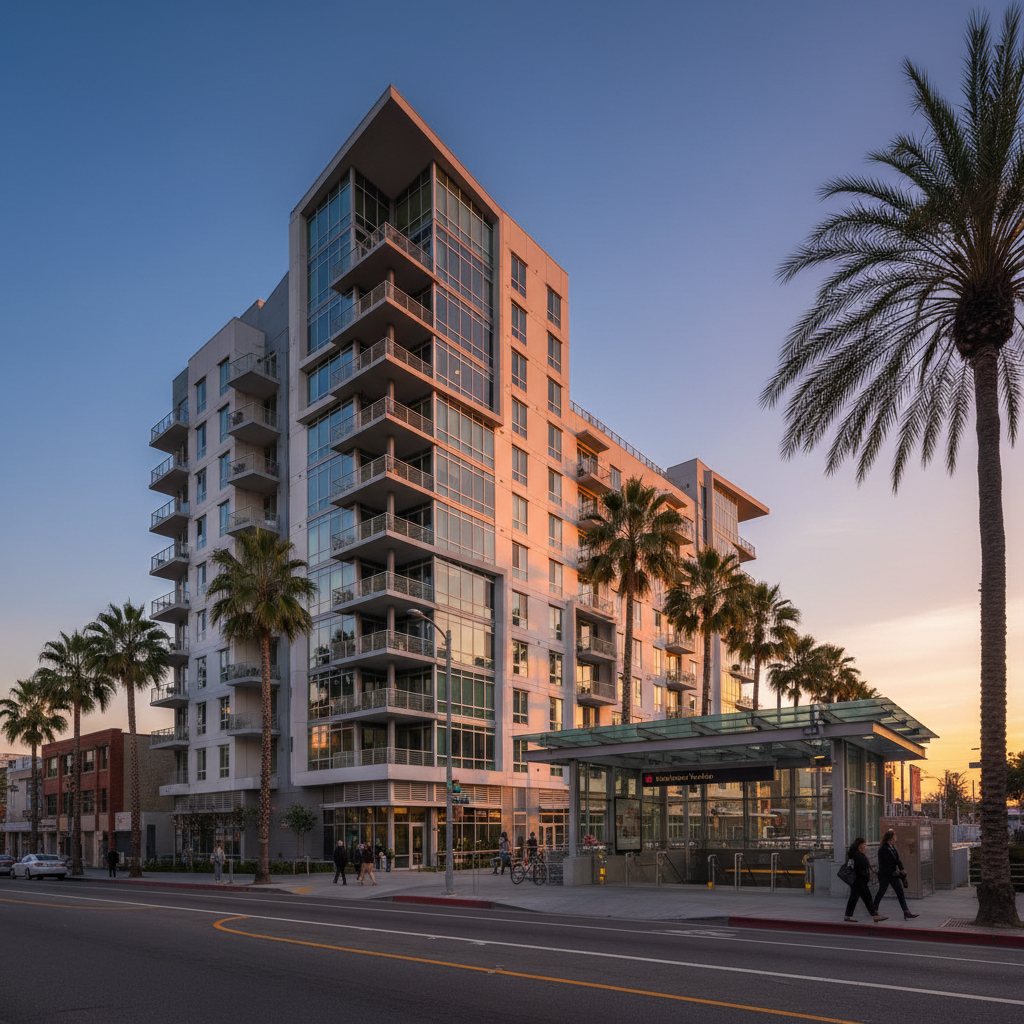
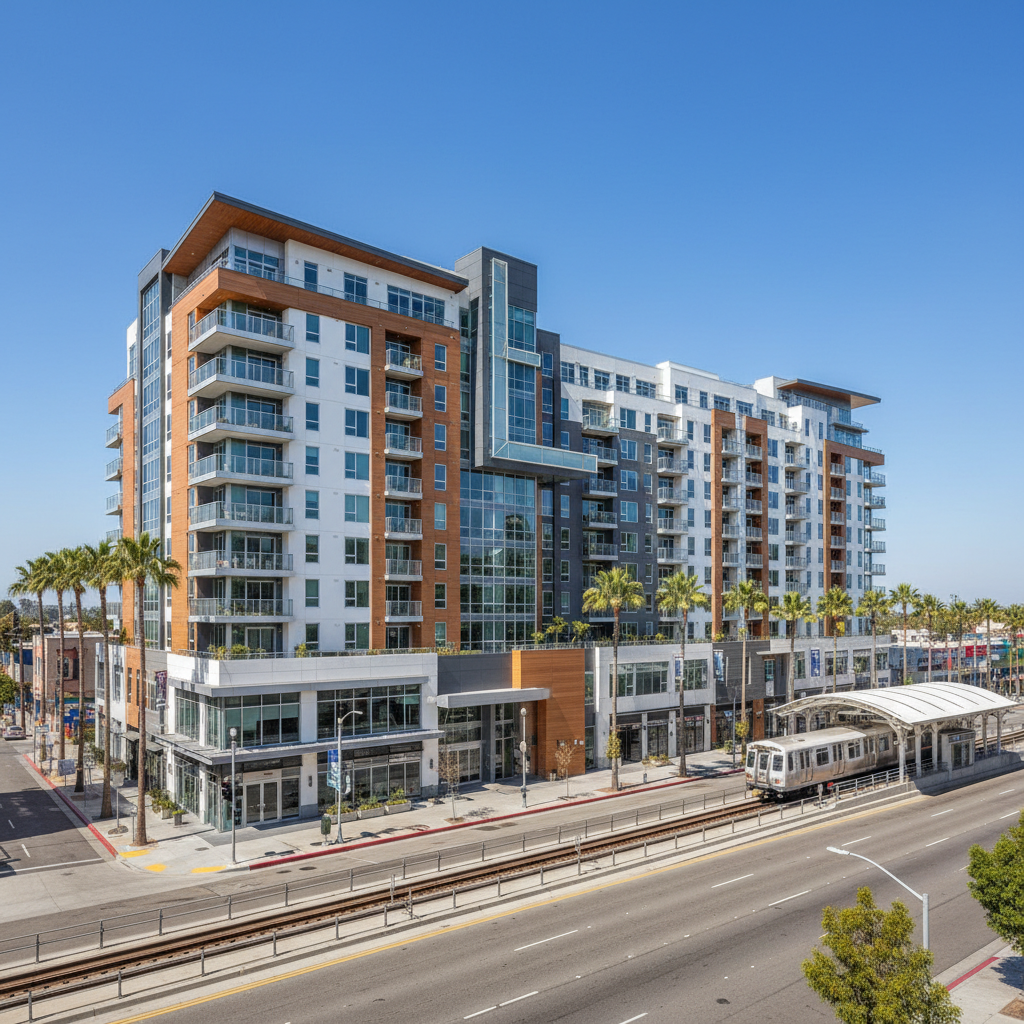
For the better part of a decade, property owners across Southern California held nearly all the leverage. From the coastal high-rises of San Diego to the sprawling complexes of the Inland Empire, vacancy rates were historic lows, and property management was largely a game of processing applications. However, as we move through March 2026, the landscape has fundamentally shifted. Recent data indicates that rent prices in the Greater Los Angeles area have hit a four-year low, while apartment vacancy rates have surged to a five-year high. We are officially in a renter’s market.
In high-density hubs like Downtown Los Angeles (DTLA) and the Irvine Spectrum, a massive delivery of new inventory—projects that broke ground during the 2021-2022 boom—has finally come online. For a tenant in 2026, the choice is no longer about finding any roof over their head; it is about choosing the right roof. Today’s Southern California renter, particularly the Gen Z and Millennial cohorts dominant in Orange County and Riverside, is shopping for 'vibe' and 'values' over mere square footage. They are looking for a sense of place, a commitment to sustainability, and a management team that treats them like a valued client rather than a line item on a ledger.
To succeed in this environment, owners must pivot from a transactional mindset to what we call Human-Centric Tenancy. This approach acknowledges that while the lease is a legal contract, the relationship is a human one. When a tenant feels seen, heard, and valued, they are far less likely to jump ship for a 'one month free' concession at the new corporate-owned building down the street.
Beating the REITs: The Local Advantage in a Shifting Market
One of the most significant trends of 2026 is the strategic exit of institutional giants. Real Estate Investment Trusts (REITs) like Camden Property Trust have signaled departures from the California market, citing complex regulatory environments and compressing cap rates. While some see this as a warning sign, for the private Southern California landlord, it is an unparalleled opportunity. Institutional giants operate on scale; they use automated portals, offshore call centers, and rigid algorithms that lack the nuances of local expertise.
The Personalization Gap
As corporate entities consolidate or exit, they leave a 'personalization gap.' A tenant in a 300-unit building managed by a multi-state REIT often feels like a number. When the AC fails during a Riverside heatwave, they want a person, not a chatbot. By leveraging a local property management partner like McIntire Kingstone, owners can provide the 'boutique' experience that REITs cannot scale. This means knowing which local coffee shop to recommend in North Park or understanding the specific parking challenges in San Bernardino.
Agility vs. Bureaucracy
Private owners can move faster. Whether it’s approving a small aesthetic upgrade a tenant requested or negotiating a lease renewal that accounts for local economic shifts, the ability to be agile is your greatest competitive advantage. In a market where supply is high, the landlord who provides a 'human touch'—personalized responsiveness and local accountability—will consistently outperform the faceless corporation.
The ‘First 90 Days’ Hospitality Loop: Your Welcome Concierge Program
In the hospitality industry, the first few hours of a guest's stay determine their entire review. In property management, we believe the first 90 days of a lease dictate the likelihood of a long-term renewal. Instead of a cold exchange of keys and a stack of pamphlets, forward-thinking owners in 2026 are implementing a Welcome Concierge Program.
- The Arrival Experience: Forget the 'move-in inspection' being the only interaction. Provide a curated 'Welcome Home' kit featuring products from local Southern California businesses—perhaps a voucher for a local bakery in Pasadena or a map of the best hiking trails in the Santa Ana Mountains.
- The 7-Day Wellness Check: One week after move-in, a physical phone call (not an automated email) to ask: "How are you settling in? Is there anything we can do to make your space more comfortable?" This proactively catches small maintenance gripes before they turn into resentment.
- The 60-Day Review: Before the tenant even thinks about their next move, check in to ensure all appliances are functioning perfectly and remind them of community amenities they might not have explored yet.
Treating a new lease like a five-star hotel check-in creates an immediate emotional connection. It shifts the dynamic from "I am paying you for space" to "I am part of a community that cares about my well-being."
De-escalating the Zero-Sum Game: Communication Strategies for 2026
The Apartment Association of Greater Los Angeles (AAGLA) has often noted the 'zero-sum game' mentality that plagues the landlord-tenant relationship, exacerbated by strict California regulations and mounting economic pressures. To break this cycle, property owners must master the art of de-escalation, especially regarding maintenance and rent discussions.
Transparent Maintenance Progress
Frustration rarely stems from the maintenance issue itself; it stems from the silence following the request. In a high-vacancy market, a slow response is a cue for a tenant to start browsing Zillow. Use 'Status-Based Communication.' Even if a part is on backorder for a repair in a Long Beach condo, the tenant should receive an update every 48 hours. Communication is the antidote to friction.
The ‘Human’ Rent Discussion
With California’s AB 1482 and various local rent control ordinances in Los Angeles and Santa Ana, rent increases are a sensitive subject. Instead of mailing a cold 'Notice of Change in Terms,' schedule a brief meeting or send a personalized video. Explain the ‘why’—perhaps it’s the rising cost of property insurance or the property tax pressures recently discussed in the OC Register. When you show the math and the humanity behind the investment, tenants are more likely to accept modest increases rather than moving out in protest.
Active Listening and Empathy
When a tenant falls behind or raises a grievance, start with empathy. Phrases like, "I understand this is frustrating, let's look at how we can resolve this together," change the posture from adversaries to partners. This doesn't mean waiving your rights as an owner; it means protecting your asset by preventing unnecessary legal battles and vacancies.
The Community Dividend: Moving Away Should Feel Like a Loss
The ultimate retention strategy is not a lower price point; it is a higher social cost of moving. If a tenant moves, they can find another 1-bedroom in Irvine. But can they find another community? Creating 'Social Ties' turns your property into a home.
Low-Cost, High-Impact Socialization
You don’t need a massive budget to build community. Consider these hyper-local ideas for your Southern California properties:
- Local Business Spotlights: Partner with a food truck in San Diego for a 'Tuesday Tacos' night on the property. It costs the owner very little but creates a vibrant atmosphere.
- Community Boards (Digital or Physical): Facilitate a way for neighbors to help each other, whether it's pet-sitting or sharing tips on the best local schools.
- Sustainability Initiatives: Many SoCal renters prioritize eco-friendly living. Starting a small community garden or providing easy e-waste recycling programs creates shared goals among residents.
When a tenant has friends in the building and feels a sense of belonging to the neighborhood, moving away becomes an emotional loss. They aren't just leaving a building; they are leaving a lifestyle. In a market with high supply, this emotional 'stickiness' is what keeps your occupancy rates high and your turnover costs low.
Conclusion: Leading with Empathy in a Competitive Landscape
As we navigate the complexities of the 2026 Southern California rental market, the winners will not be those with the biggest marketing budgets or the newest buildings. The winners will be the property owners who understand the 'Empathy Ledger.' By balancing professional management with genuine human connection, you protect your investment from the volatility of market shifts and the churn of institutional management.
At McIntire Kingstone, we specialize in this high-touch, localized approach. Whether your assets are in Los Angeles, Orange County, or the Inland Empire, we believe that managing property is about managing people. By trading transactional leasing for human-centric tenancy, you aren't just filling units—you are building a resilient, profitable portfolio for the future.
 .5B Bets on the SoCal Rent Silence" class="w-full h-40 object-cover transition-transform duration-300 group-hover:scale-105" loading="lazy"/>