The 2026 Hospitality Pivot: Why 'Business-Grade' is the New Baseline
As we navigate the first quarter of 2026, the Southern California rental market is undergoing a seismic shift. For years, property owners in Los Angeles, Orange County, and the Inland Empire relied on the sheer scarcity of housing to maintain high occupancy rates. However, recent data from the Dwellsy IQ 2026 Rental Housing Index suggests that while house rents hold steady, apartment rent growth is moderating due to new supply. In this competitive landscape, simply offering a clean unit is no longer enough to attract high-value tenants, especially in burgeoning hubs like the North Hollywood (NoHo) Arts District.
The modern Southern California tenant—particularly those in the media, tech, and entertainment sectors—is no longer looking for just a place to sleep. They are looking for an experience. We call this the 'Hospitality Pivot.' In 2026, 'business-grade' amenities like high-speed fiber internet, dedicated co-working spaces, and smart-lock entry systems are no longer luxury add-ons; they are the baseline expectation. To stand out, savvy investors and property managers at McIntire Kingstone are pivoting toward a boutique hospitality model that treats residents like guests and the property like a curated destination.
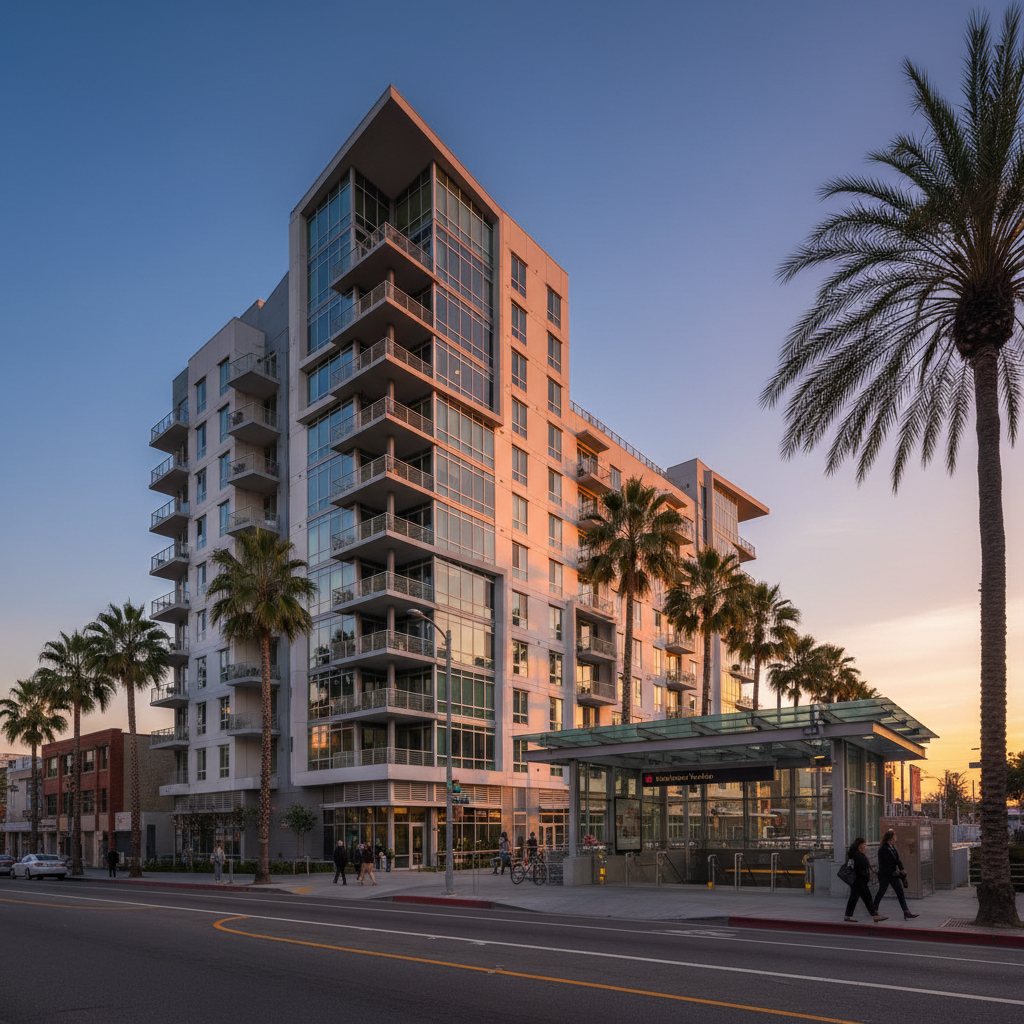
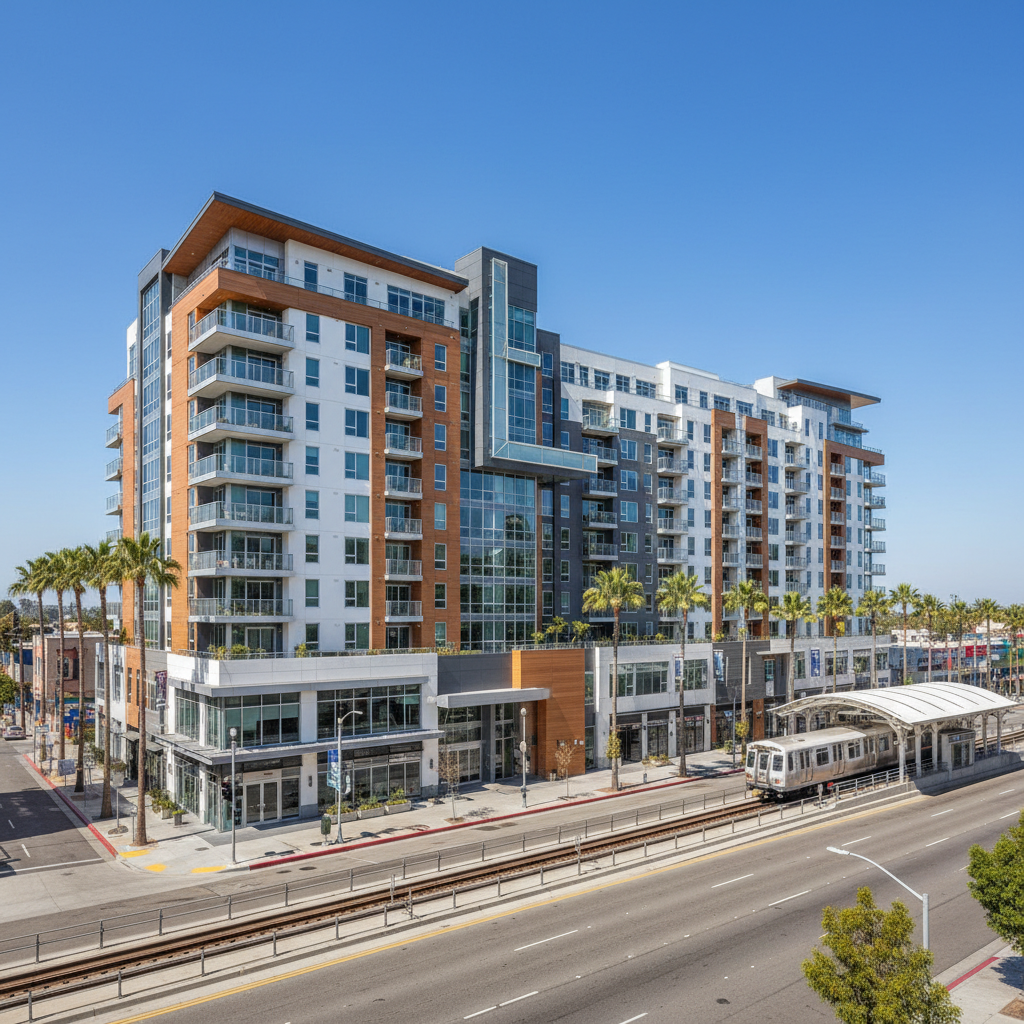
This is particularly true in NoHo, where the proximity to major studios and the Red Line subway makes it a magnet for the 'commuter creative.' These individuals value efficiency and aesthetics in equal measure. By infusing boutique hospitality into the management philosophy, owners can command premium rents even as broader market trends stabilize. This involves moving beyond the transactional nature of a lease and adopting the mindset of an Artistic Concierge.
Curating the NoHo Vibe: Strategic Partnerships for Resident Perks
The North Hollywood Arts District is one of Los Angeles' most vibrant epicurean and entertainment hubs. As noted by industry leaders like Key Housing, the appeal of living at NoHo lies in its proximity to cutting-edge galleries, artisan cafes, and experimental theaters. For a property owner, this local culture is a tool for resident retention.
Building an Epicurean Ecosystem
Instead of offering generic move-in specials, look toward local partnerships. Imagine a new tenant receiving an 'Art District Passport' upon signing their lease. This could include:
- Priority Seating and Discounts: Partner with local favorites like Republic of Pie or Groundwork Coffee to offer residents exclusive discounts or 'skip-the-line' privileges.
- Gallery VIP Access: Collaborate with local NoHo galleries for residents-only opening night previews. This fosters a sense of belonging to the local art scene.
- The 'NoHo Flavor' Welcome Kit: Rather than a standard gift basket, provide a curated box of local artisan goods—locally roasted beans, hand-poured candles from NoHo boutiques, and vouchers for the local NoHo Farmers Market.
These partnerships cost the property owner very little but provide immense perceived value. They root the resident in the community, making the neighborhood feel like an extension of their living room. In a city as sprawling as Los Angeles, creating a 'micro-community' is the ultimate luxury.
The 'Home-Away-From-Home' Standard: Corporate Efficiencies in Long-Term Portfolios
The demand for furnished, flexible living is at an all-time high. Key Housing’s recent focus on 'Living at NoHo' as a featured listing highlights a growing trend: the lines between short-term corporate housing and long-term residential living are blurring. Professionals moving to Southern California for six-month contracts or project-based work in the tech and media sectors need the 'plug-and-play' ease of corporate housing with the stability of a residential lease.
Implementing Corporate-Grade Services
Property owners in regions like San Diego, Long Beach, and NoHo can increase their ROI by adopting these specific corporate housing efficiencies:
- Furnished Options: Offering 'Design-Forward' furnished packages. Instead of generic rental furniture, use local Southern California designers to create spaces that feel authentic and high-end.
- Streamlined Utilities: Implementing all-inclusive utility billing or high-speed Wi-Fi that is active the moment a tenant walks through the door. This eliminates the 'Day 1' stress of setting up accounts with LADWP or Spectrum.
- Transit-Centric Concierge Services: With NoHo being a major transit hub, providing residents with pre-loaded TAP cards or real-time transit displays in the lobby adds a level of boutique care that 'boring' apartment complexes lack.
By treating long-term residents with the same level of service usually reserved for high-paying corporate executives, you reduce turnover. The cost of a tenant moving out (vacancy loss, cleaning, painting, marketing) in 2026 can easily exceed $4,000 in Southern California. High-touch hospitality is the most effective insurance against these costs.
Transit and Tech: Catering to the Media and Tech Workforce
The 'boring commute' is the enemy of the modern worker. For those working at Disney, Warner Bros., or tech startups in Silicon Beach, NoHo represents a strategic middle ground. However, the commute doesn't start at the subway station; it starts at the front door. To capture the tech-savvy demographic, property owners must leverage NoHo-style accessibility through a lens of technology.
The Smart-Commute Infrastructure
As a leading property management firm, we recommend focusing on tech-integrated amenities that specifically solve the Southern California commute problem:
- Secure Micro-Mobility Storage: With the rise of e-bikes and scooters, providing secure, temperature-controlled storage with charging stations is a major selling point for those using the Red Line.
- EV Charging Infrastructure: In California, the push for electric vehicles is codified in law (California's 'Right to Charge' laws, Civil Code Sections 1947.5 and 4745). Moving beyond the legal minimum and offering 'Valet EV Charging' can be a significant differentiator in high-density areas like San Bernardino or Riverside.
- In-Unit Professional Tech: For the hybrid worker, 'business-grade' means more than just fast Wi-Fi. Features like built-in USB-C ports, acoustic dampening materials for Zoom calls, and even 'Content Creator' niches with adjustable lighting can make a unit irresistible to the media workforce.
By marketing these features specifically to the entertainment and tech sectors, you position your property not just as a residence, but as an 'Asset for Career Success.' This elevates the property’s status and allows for higher rent tiers based on professional utility.
Legal & Compliance: Navigating the Boutique Model in California
While infusing hospitality is essential for marketing, Southern California property owners must remain grounded in the strict legal landscape of 2026. Transitioning to more flexible or high-service models requires careful attention to California's tenant-protection laws.
AB 1482 and Rent Caps
The California Tenant Protection Act (AB 1482) remains a critical factor for landlords. While boutique amenities justify higher initial rents, subsequent increases are capped. Therefore, the goal of the 'Artistic Concierge' approach should be retention. By creating an ecosystem where residents stay for 3-5 years, you minimize the impact of rent caps by maintaining a consistent, high-yield occupancy without the reset costs of turnover.
Security Deposits and SB 611
With relatively new laws limiting security deposits to one month’s rent (SB 611), property owners must be more selective with their tenant screening while using 'concierge' branding to attract the highest-quality applicants. A 'boutique' brand naturally filters for tenants who value care and community, who are statistically more likely to maintain the property well and pay rent on time.
Beyond the Lease: Engineering a Community Ecosystem
The ultimate goal of the Artistic Concierge is to make moving out feel like a downgrade in lifestyle. In property management, we often say that people join for the amenities but stay for the community. Engineering an 'ecosystem' involves creating emotional stickiness.
Consider the 'Alumni' effect. When a resident does eventually move out—perhaps to buy a home or relocate for a promotion—their experience should be so positive that they become a brand ambassador for your property. This is achieved through:
- Community Events that Don't Suck: Move past the 'Pizza Party.' Host rooftop yoga with local instructors, wine tastings featuring Central Coast vineyards, or workshops led by local NoHo artists.
- Active Communication: Using modern property management portals to provide more than just maintenance requests. Share a weekly 'NoHo News' blast that highlights hidden gems in the neighborhood.
- The 'Human' Element: Even in a tech-heavy world, the presence of a responsive, professional property management team—like the experts at McIntire Kingstone—is the most valuable amenity of all. Knowing that a leak will be fixed in hours, not days, is the foundation of boutique hospitality.
In conclusion, the 'Artistic Concierge' model is the future of Southern California real estate investment. By infusing boutique hospitality into the NoHo commuter experience, owners can thrive in a stabilizing market, attract high-quality professionals, and transform a simple apartment building into a coveted, curated lifestyle. Whether you are managing a small portfolio in Riverside or a high-rise in Los Angeles, the principles remain the same: serve the resident, celebrate the neighborhood, and lead with hospitality.
 .5B Bets on the SoCal Rent Silence" class="w-full h-40 object-cover transition-transform duration-300 group-hover:scale-105" loading="lazy"/>