The Perished Village Paradox: Shielding Your Portfolio Against the New Regulatory Erosion
For decades, Southern California real estate represented the pinnacle of passive wealth generation. From the sun-drenched coastal apartments of Santa Monica to the sprawling residential communities of the Inland Empire, the formula was simple: buy, hold, and let the intrinsic value of the Golden State’s geography do the heavy lifting. However, as we cross into mid-2026, a structural shift is taking place. We are witnessing the rise of what industry experts call the "Perished Village Paradox."
This paradox describes a troubling trend in housing policy: administrative bodies are subsidizing a handful of new, high-cost affordable units (often exceeding
1. Understanding the 'Bad Math' Epidemic
The term "Bad Math" has become a rallying cry for property rights advocates in 2026. As noted by industry leaders like Dan Yukelson of the Apartment Association of Greater Los Angeles (AAGLA), there is a significant disconnect between the cost of maintaining a safe, habitable building and the caps placed on rental income. When the cost of insurance, labor, and construction materials rises at double-digit rates, but rent increases are capped at a fraction of inflation, the math fails.
The Subsidized vs. Existing Supply Conflict
Local governments are increasingly focused on "brand new" affordable housing projects. While these projects are noble in intent, their price tags are astronomical. When a single unit costs
The Economic Reality of Compliance
In Southern California, the cost of compliance isn't just about rent caps; it’s about the administrative burden. From the Los Angeles Rent Stabilization Ordinance (RSO) to new tenant protection acts in San Diego and Santa Barbara, the "Bad Math" epidemic manifests in high legal fees and mandatory relocation payments that can exceed
2. The Santa Barbara & LA Ripple Effect: A Tactical Shift
We are currently seeing a "regulatory ripple" moving from the coastal hubs inland. What starts as a pilot program in Santa Barbara or a temporary freeze in Los Angeles quickly becomes the standard for the Inland Empire and Orange County. The 2026 updates to Santa Barbara’s rent control measures have sent a clear message: the state is moving toward a more restrictive, New York-style regulatory environment.
Moving Toward Strategic Asset Management
Passive ownership—the idea that you can collect a check and ignore the property—is functionally dead in Southern California. Strategic asset management is the mandatory replacement. This involves:
- Data-Driven Decisions: Monitoring the specific "just cause" eviction rules in cities like Riverside vs. San Bernardino.
- Legal Integration: Working with partners like Baker, Burton, and Lundy to ensure every lease addendum is compliant with the latest 2026 statutes.
- Anticipatory Budgeting: Factoring in a "regulatory tax" (the cost of increased inspections and mandatory retrofitting) into your annual pro forma.
The Erosion of Property Rights in Coastal Markets
In cities like Santa Monica and San Diego, the definition of "harassment" and "illegal eviction" has been broadened so significantly that even standard communications regarding late rent must be handled with extreme delicacy. Property owners who fail to adapt to these shifts find their operating margins evaporated by litigation rather than maintenance.
3. Asset Preservation Strategies Amid Squeezed Margins
When regulatory caps limit your top-line revenue, the only way to protect the value of your asset is through meticulous preservation and expense management. You cannot afford to let a property succumb to "deferred maintenance death," as this only invites more government scrutiny and potential receivership.
Proactive Maintenance vs. Reactive Repair
Reactive repairs in 2026 are 30-40% more expensive than they were three years ago. To maintain quality when margins are tight, implement these strategies:
- The "Component Swap" Method: Instead of waiting for an HVAC system or water heater to fail, use a rolling replacement schedule that allows you to buy materials in bulk and negotiate better labor rates across multiple units.
- Biannual Inspections: In regions like the Inland Empire, where summer heat puts extreme stress on utilities, conduct preventative inspections in April and October. Identifying a small leak now prevents an expensive mold remediation project later—a project that modern regulations might prevent you from financing through rent increases.
- Energy Efficiency Upgrades: Utilize California state grants for solar or heat pump installations. Often, these upgrades can be subsidized or offer tax credits that offset the cost of essential structural repairs.
Protecting the Physical Envelope
The first thing to fail in an underfunded building is the envelope—windows, roofs, and seals. In Southern California's varied climate, moisture is the enemy. Asset preservation means prioritizing the exterior. A well-maintained exterior not only preserves the structure but also reduces the likelihood of tenant complaints that trigger invasive city inspections.
4. The Reinvestment Dilemma: Upgrade vs. Hold Steady?
Southern California investors are facing a New York-style dilemma: should you spend
When to Upgrade
Upgrading is still viable in "non-RSO" (Rent Stabilization Ordinance) buildings or properties built within the last 15 years that fall under the exemptions of AB 1482. In these cases, upgrading to "Class A" finishes can attract a more stable tenant base and justify the maximum allowed increases. If your property is in a high-growth area like the Irvine Spectrum or the Downtown San Diego waterfront, the appreciation of the land itself often justifies the capital expenditure (CapEx) required to keep the building modern.
When to Hold Steady
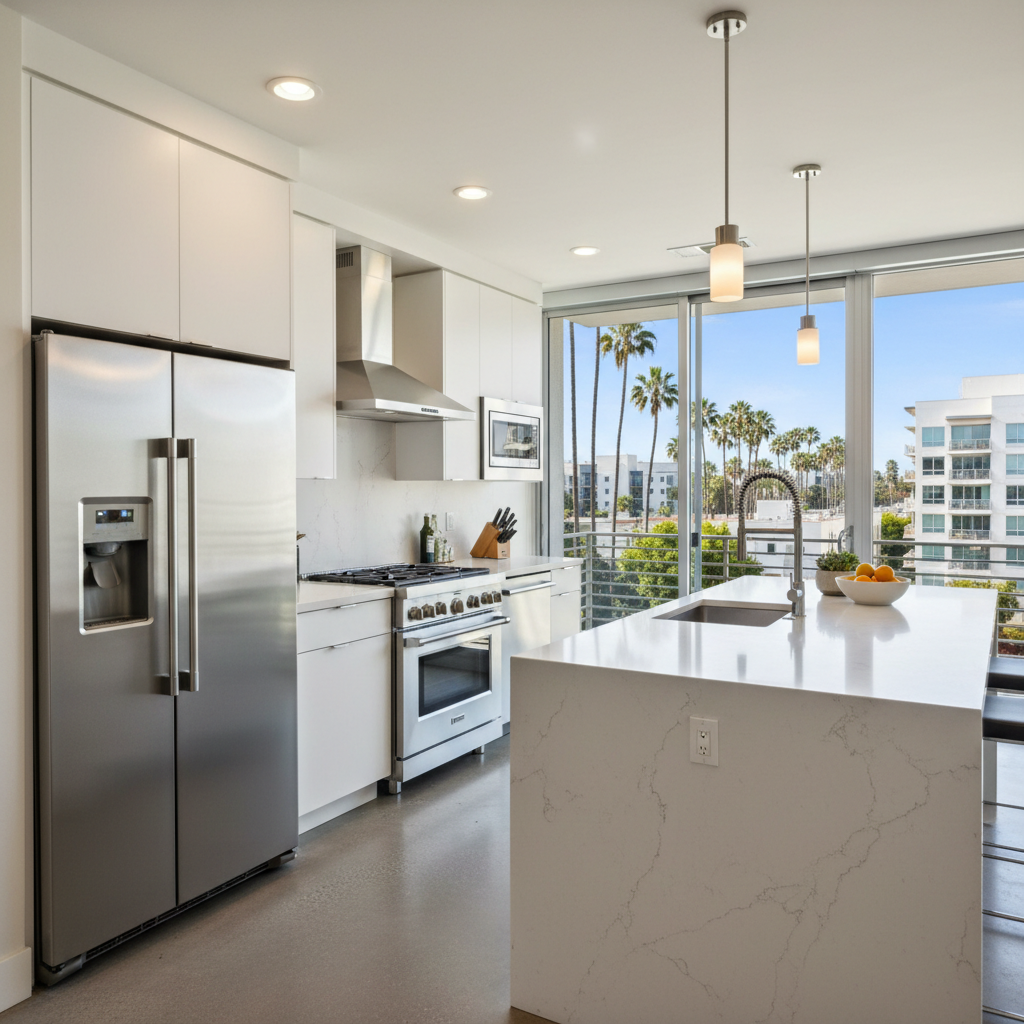
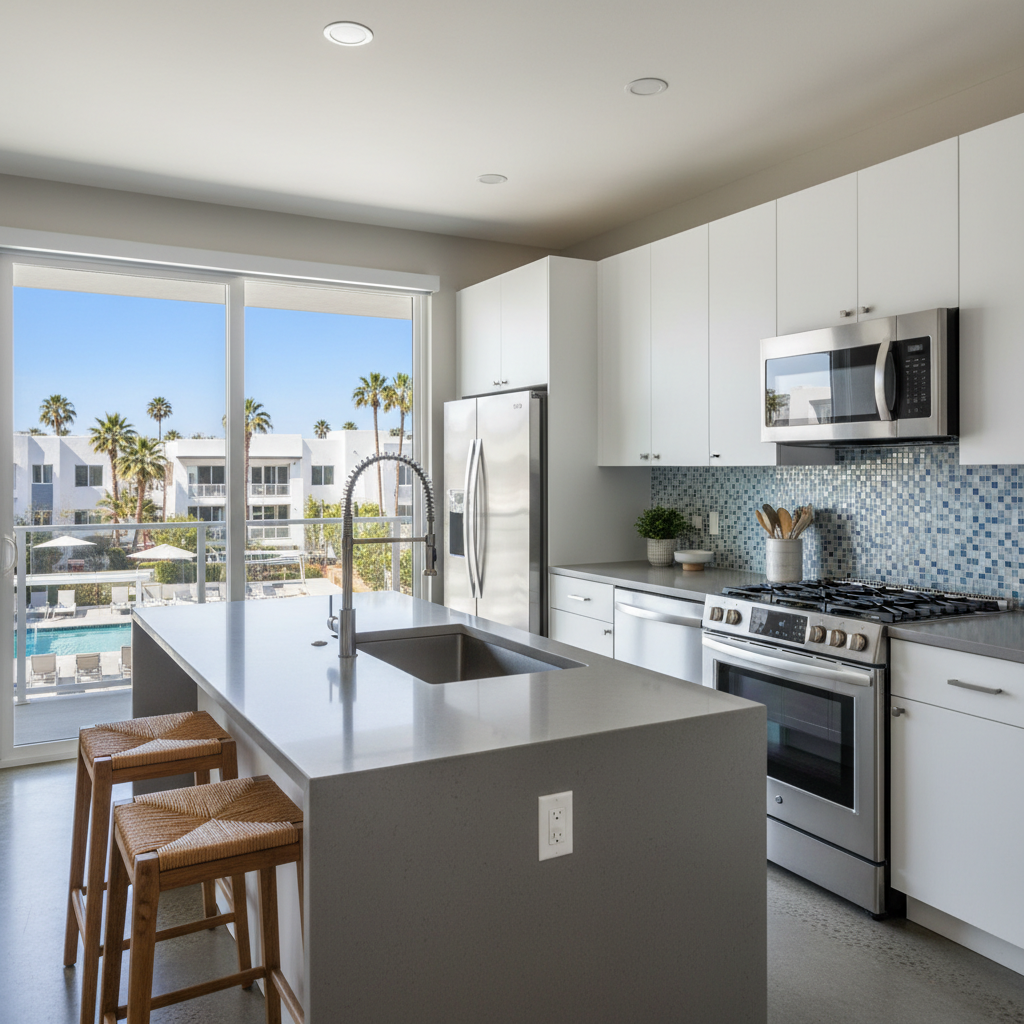
If you own an older building in a strictly regulated zone of Los Angeles or Santa Barbara, a "Hold Steady" approach may be more prudent. This does not mean neglect; it means focusing on functional durability over aesthetic luxury. Move away from trendy, high-maintenance finishes (like delicate marble or designer light fixtures) and move toward institutional-grade durability (luxury vinyl plank flooring, quartz countertops, and stainless steel appliances) that can survive multiple tenancies without needing replacement.
Evaluating the 'Exit' Strategy
Institutional investors are currently looking for opportunities where smaller owners are exhausted by the regulations. Before deciding to sell, consult with a property management professional at McIntire Kingstone. Often, a change in management strategy can uncover hidden efficiencies that make the property worth keeping despite the regulatory erosion.
5. Future-Proofing Your Cash Flow: Operational Efficiencies
To survive the next decade of Southern California real estate, you must find "margin" in places other than rent increases. This requires a modernization of the operational stack.
1. The Tech-Forward Approach
Efficiency is the new currency. By using integrated platforms for rent collection, maintenance tracking, and tenant communication, you can reduce the overhead costs associated with manual property management. Automated systems ensure that late fees are assessed immediately and that every communication is archived—providing a vital paper trail should you ever face a regulatory audit.
2. Bulk Procurement and Preferred Vendors
Individual property owners are at a disadvantage when it comes to the cost of services. By partnering with a large-scale management firm like McIntire Kingstone, you benefit from our economies of scale. We leverage our presence across SoCal and Missouri to negotiate lower rates for landscaping, trash collection, and insurance—savings that go directly to your bottom line.
3. Utility Billing (RUBS)
In many Southern California jurisdictions, it is still legal to implement a Ratio Utility Billing System (RUBS). This allows owners to pass through a portion of the water, trash, and sewer costs to the tenants. As utility rates in San Diego and Los Angeles continue to climb, this operational shift can save an owner thousands of dollars per year, effectively acting as a "rent increase" that isn't subject to traditional rent caps.
4. Tenant Retention Tactics
The most expensive event in property management is a vacancy—especially under new laws that may require relocation assistance or extended notice periods. Future-proofing your cash flow involves keeping your existing residents happy. High-quality tenant relations lead to longer stays, lower turnover costs, and a community that respects the property. In 2026, a loyal tenant is your most valuable asset.
Conclusion: Navigating the New Landscape
The "New York-ification" of Southern California rental markets is not a distant threat; it is our current reality. The "Bad Math" of subsidized units vs. existing stock is creating a challenging environment for those who still believe in the value of private property ownership. However, by adopting a strategic asset management approach, prioritizing physical preservation, and embracing operational technology, you can shield your portfolio from this regulatory erosion.
At McIntire Kingstone, we don't just manage buildings; we protect investments. Whether you are navigating the complexities of Los Angeles rent control or managing a growing portfolio in the Inland Empire, our team is dedicated to ensuring your properties remain viable and profitable for years to come. Don't let your portfolio become part of the perished village—take proactive steps today to secure your financial future.
For a comprehensive review of your property’s compliance and a custom asset preservation plan, contact McIntire Kingstone today.
MK Property Management
The McIntire Kingstone team brings decades of combined experience in property management, real estate investment, and tenant relations.